


Courbet's Origin of the World vandalized, an attack on art or an artistic demand?
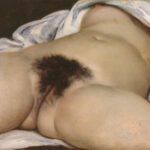
How can a work as emblematic as 'The Origin of the World' by Gustave Courbet become the target of an act of vandalism? This burning question shakes the art world after the famous painting was spray painted with red paint at the Centre Pompidou-Metz. This Monday, May 6, the painting – usually exhibited at the Musée d'Orsay in Paris and currently on loan to the Center Pompidou Metz as part of an exhibition dedicated to the psychoanalyst Jacques Lacan – was the victim of a new assault. Despite security measures, including a glass wall supposed to protect the work, it was not spared from this act of degradation. At the origin of this action is the Franco-Luxembourgish performance artist Deborah de Robertis, who claims her gesture as a form of artistic expression campaigning for women's rights. Accompanied by other activists, Deborah de Robertis inscribed the letters of “Me Too” on the glass protecting Courbet’s canvas, as well as on other works on display. This initiative, called “We do not separate the woman from the artist”, seeks to be part of a “global movement” of young women artists. Yet this approach raises questions about the limits of artistic expression and legitimate means of getting a message across. Arrests took place, but a third person is still wanted for the theft of an embroidery from the museum. This attack on a major work of our artistic heritage arouses indignation and raises debates on the border between committed art and vandalism. While analyzes continue to assess the damage caused to the works, the art world expresses its dismay at this attempted degradation. This gesture also calls into question the responsibility of cultural institutions to protect artistic heritage and promote dialogue around contemporary societal issues.