

The off-programs of the 2026 Venice Biennale
1- ETRUSCHI E VENETI
The sacred along the water's edge
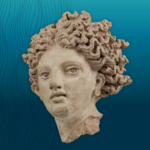
There are exhibitions that seem born for Venice. This is one of them. In the Doge's apartments,, a few steps from the shimmering reflections of the lagoon, the Palazzo Ducale hosts a fascinating journey through the Etruscan and Venetian worlds, centered around an element that structures everything: water. Sea, springs, rivers, and lagoons rise up here like so many sacred powers. For the Etruscans, it was a place of passage, healing, and also of offering. The sanctuaries of Pyrgi or Vulci,, opening onto the Tyrrhenian ports, engage in dialogue with the thermal springs of Chianciano or San Casciano dei Bagni. In these spaces, architecture is born at the edge of natural springs, as if the sacred had to embrace the very breath of the earth. The bronzes, the votive offerings, the fragments of inscriptions tell us about this world in which the mountain, the spring, and the shore become temples. The objects, often modest in size, nevertheless convey a rare intensity: a small bronze dolphin, delicate and vibrant, alone encapsulates the relationship between humankind and the marine element. The exhibition concludes with a contemporary installation, We Are Bodies of Water, which connects these ancient cults to the fragility of the current lagoon ecosystem. A particularly unsettling mise en abyme at the heart of the Doge's Palace, a former maritime power, becoming the setting for an even older story: that of the peoples who, long before the Most Serene Republic, understood that water is simultaneously a border, a passage, and a mystery.
DOGE'S PALACE, VENICE
Until September 29, 2026
22
2- HERNAN BAS
Venice, Tourist Version
Venice
23
When everyone else is looking at the city, Hernan Bas is looking at those who are looking at it. The American artist transforms the rooms of Ca’ Pesaro into a theater of contemporary tourism. More than thirty new works, conceived specifically for the space,stage these familiar “visitors”: Western white men, often solitary, navigating between iconic monuments, sacred sites, overexploited attractions, and dubious destinations. The Mona Lisa, the Trevi Fountain, Chernobyl, Alcatraz. Bucket lists and dark tourism. Everything becomes the backdrop for a strange ballet that rhymes curiosity and arrogance. Hernan Bas excels in these ambiguous figures—modern dandies, offbeat flâneurs, identities in transition. Here, the gaze becomes more biting. The bodies seem present but never truly connected to the places they traverse. They do not encounter. The ordinary slips into the absurd.
CA PESARO, VENICE
From May 7 to August 30, 2026
3- KAPOOR Takes Over Venice
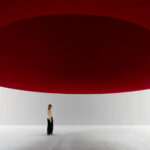
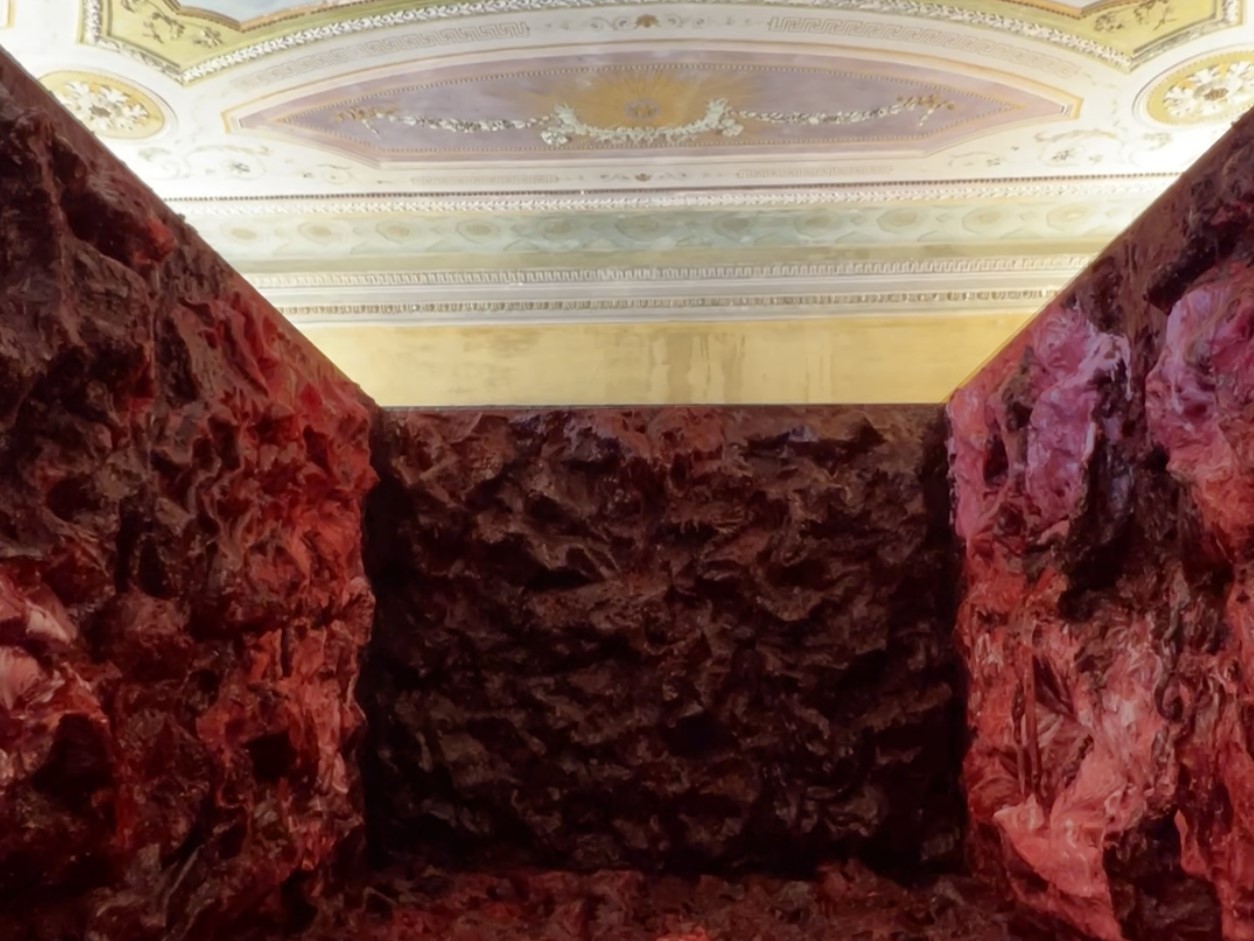
During the Biennale, one must also know when to venture beyond the Giardini. At the Palazzo Manfrin, in the Cannaregio district, Anish Kapoor takes over a 16th-century palace to deploy fifty years of work in a single gesture. Large installations, steel mirrors, architectural models: the British artist – the one behind Cloud Gate in Chicago, of Descent into Limbo – reminds us here that sculpting and building have never been two separate things. An essential detour, a stone's throw from the Grand Canal.
PALAZZO MANFRIN, CANNAREGIO
From May 5, 2026
4- MARINA ABRAMOVIć
Reversing (again) the codes
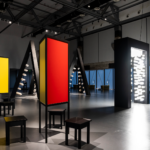
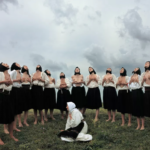
What happens when the most radical body of contemporary art enters into dialogue with Titian? Marina Abramović – 80 years old this year, an absolute pioneer of performance art – becomes the first living female artistto occupy both the temporary exhibition spaces and the permanent collection of the Gallerie dell'Accademia, temple of Venetian painting. Facing Tintoretto and Giorgione, her most intense works take on an unexpected resonance. The most powerful moment: her Pietà of 1983 – where she holds Ulay's body on her lap like a Virgin of Sorrows – hung opposite Titian's unfinished Pietà, his last painting, created 450 years earlier. Two bodies, two eras, a single question about what art does to the flesh. And for us, a concrete invitation: to lie down on structures of crystal and stone, to let the energy flow through us.
GALLERIE DELL’ACCADEMIA, VENICE
From May 6 to October 19, 2026
5- ERWIN WURM 'Puts the Body Under Construction'
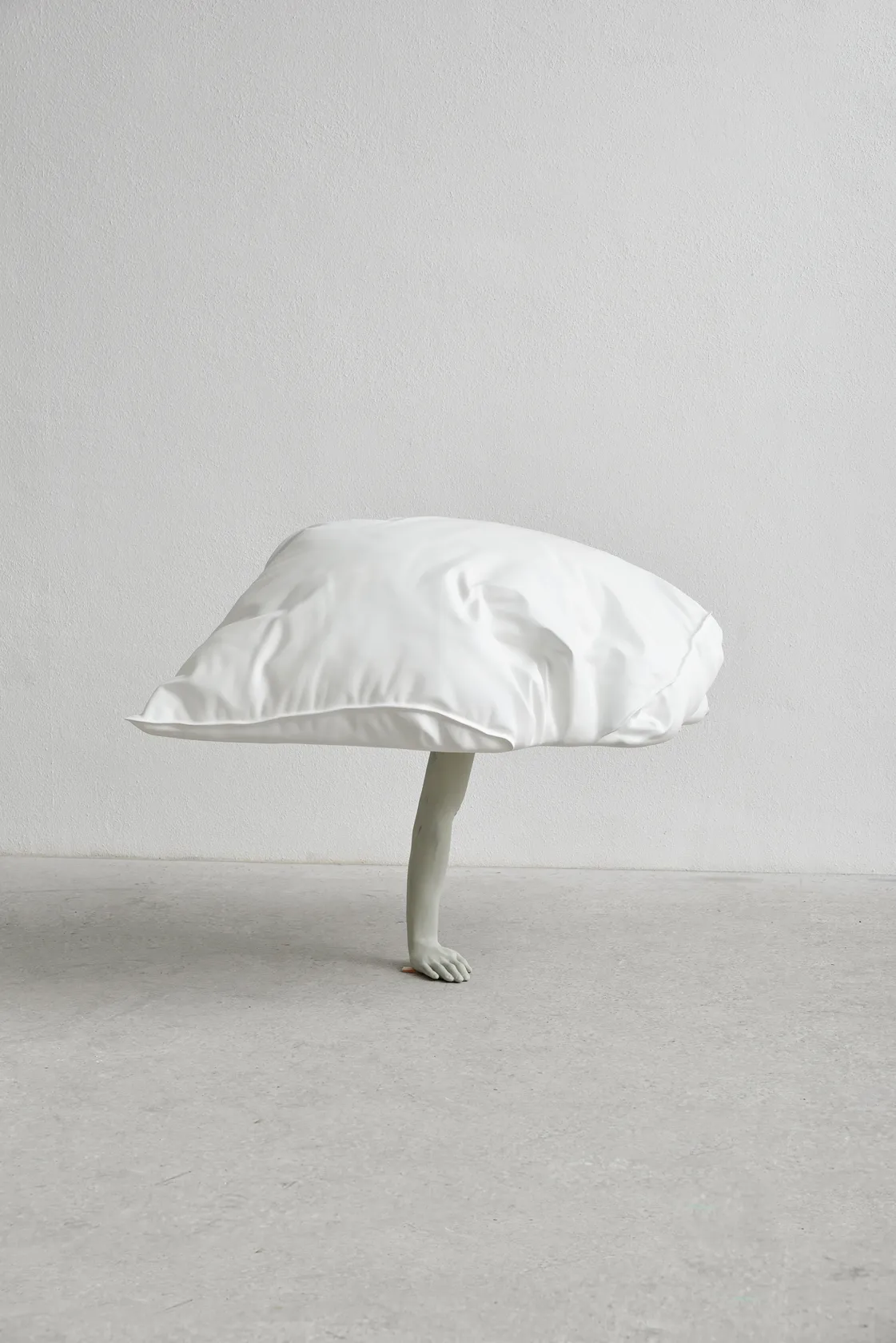
Daring to bring together Fortuny's pleated dresses, obese cars, and leg-shaped bags. This is the challenge taken up by the Fortuny Museum, which is hosting for the first time in Italy a major retrospective of Erwin Wurm, the Austrian sculptor who has revolutionized the very definition of sculpture. In his work, a sweater becomes volume, a chair becomes posture, a minute is enough to transform a body into a work of art. His famous One Minute Sculptures invite us to pose against ordinary objects. An absurd, funny, almost embarrassing performance. We become sculptures without a pedestal, without time, and above all, without hierarchy. Further on, the silhouettes swell. Fat Car, Fat House: architecture and machines gain weight as our societies expand. Wurm plays with mass and excess. He adds legs to bags, twists soft shapes, transforms the ordinary into three-dimensional satire. The humor is immediate. The critique, more subtle. Consumerism, social pressure, the standardized body: it's all there, disguised as a farce.
MUSEO FORTUNY, VENICE
From May 6 to November 22, 2026
6- AI
And its invisible rules
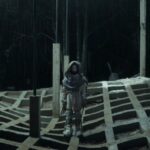
While the Biennale celebrates human gesture, oral transmission, and the garden as utopia, the Palazzo Diedo poses the question that no one has yet truly dared to formulate: who writes the rules of culture in the age of algorithms? Strange Rules brings together Mat Dryhurst, Holly Herndon – a musician and AI researcher – and Hans Ulrich Obrist around Protocol Art, an emerging discipline that uses invisible digital systems as its raw material. Algorithms, artificial intelligence models, platforms: all these hidden architectures determine what we see, what we hear, what exists. The first curatorial project of its kind in Italy. In a Biennale that whispers, this is perhaps the most discreet—and most anxious—cry.
PALAZZO DIEDO, CANNAREGIO
From May 4, 2026
7- HARTUNG
Heared everything
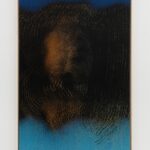
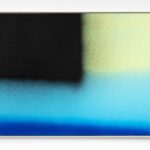
He never worked in silence. The radio was always on, from Bach to Pink Floyd—music permeated all his painting. The Fondazione Querini Stampalia orchestrates an encounter with this sonic obsession: eighty paintings, archives, and studio tools retrace the world of Hans Hartung, a central figure of European Informal Art. One detail: it was right here, at the Venice Biennale, that he won the Grand Prize in 1960. A return steeped in history.
FONDAZIONE QUERINI STAMPALIA, VENICE
From May 5 to September 13, 2026
8- JULIAN CHARRIÈRE
Confronts stone and time
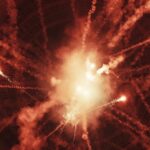
A vending machine selling fossilized ammonites. This is one of Julian Charrière's works—and it says everything about his practice: geological time made into a consumer product, the absurd as a revealer. The Museo Correr welcomes the Franco-Swiss artist opposite Canova's sculptures. The marble of one aspires to human flesh. The stone of the other needs no resemblance to exist. Two radically different ways of thinking about matter – and a dialogue that will never end.
MUSEO CORRER, VENICE
Until November 22, 2026