



Van Gogh exhibition in Auvers-sur-Oise: Our images from recent months at the Musée d'Orsay
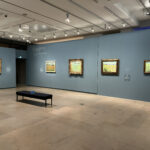
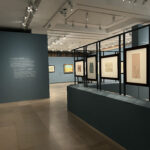
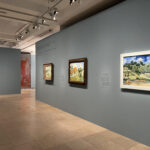
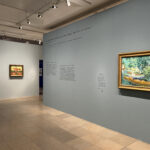
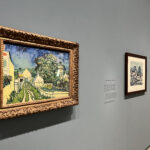
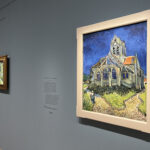
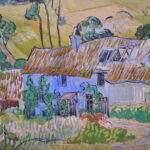
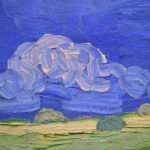
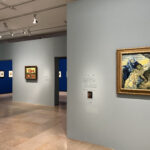
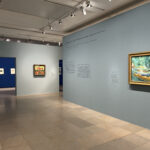
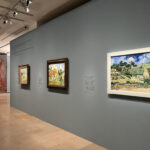
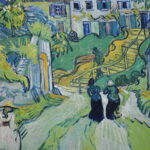
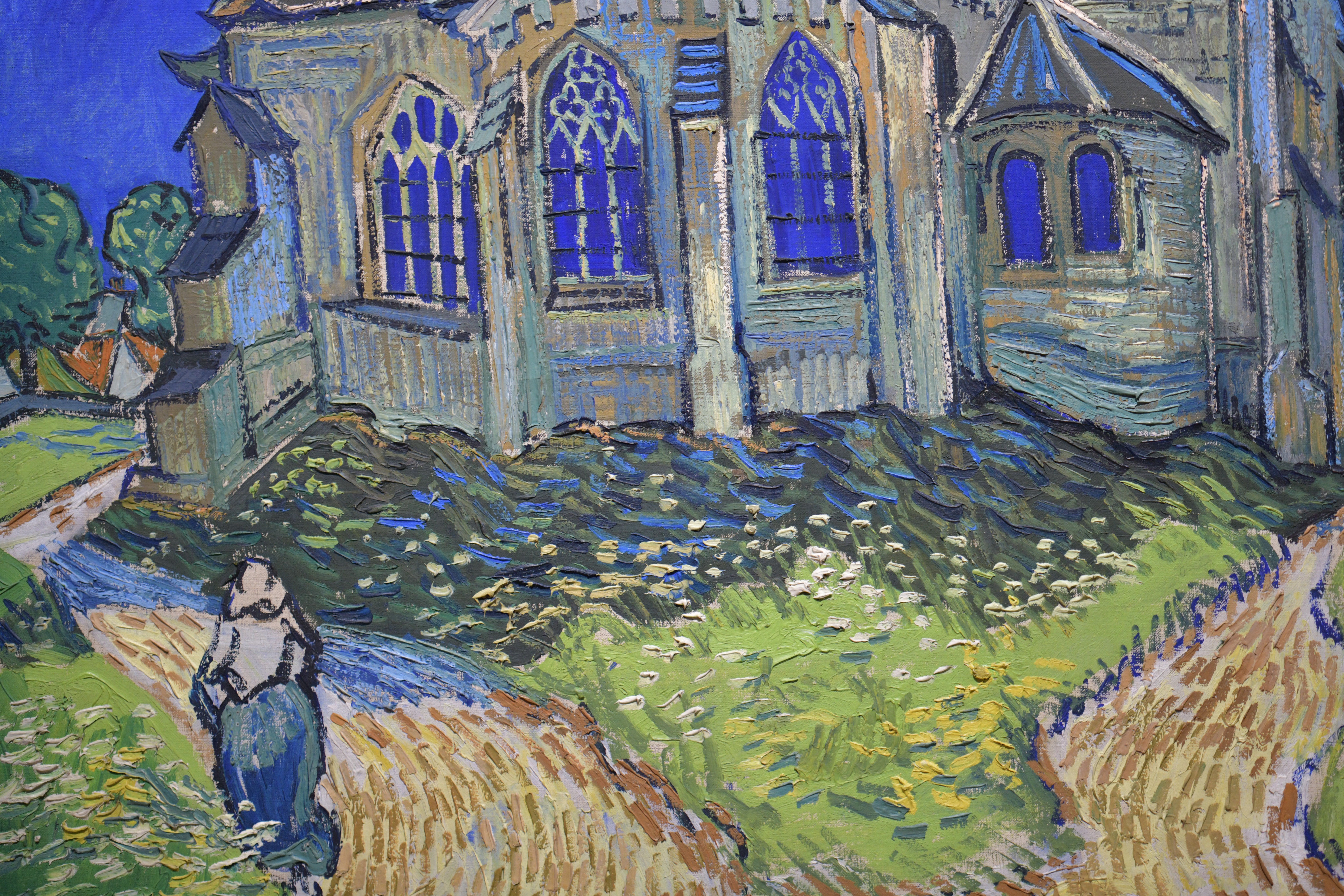
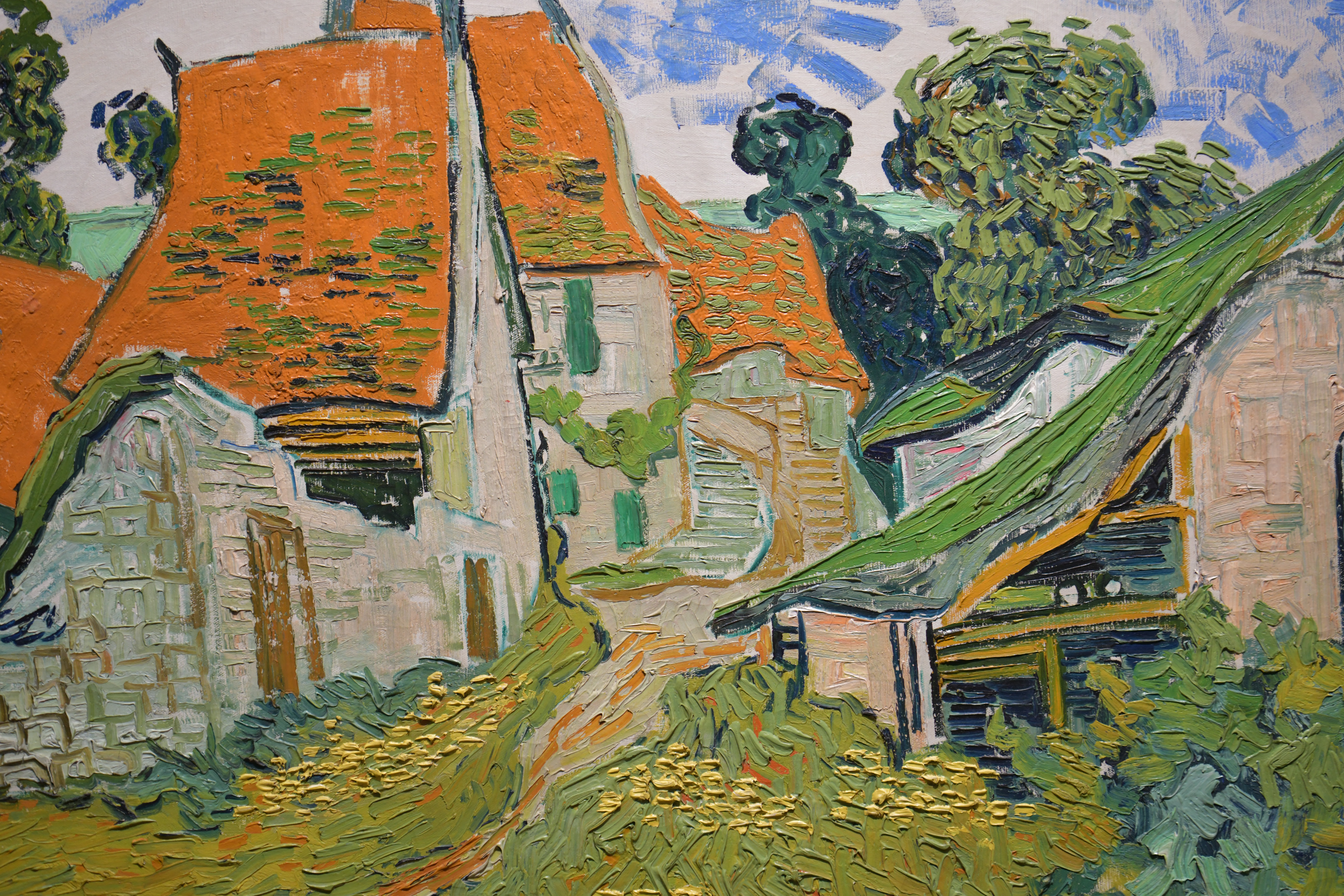
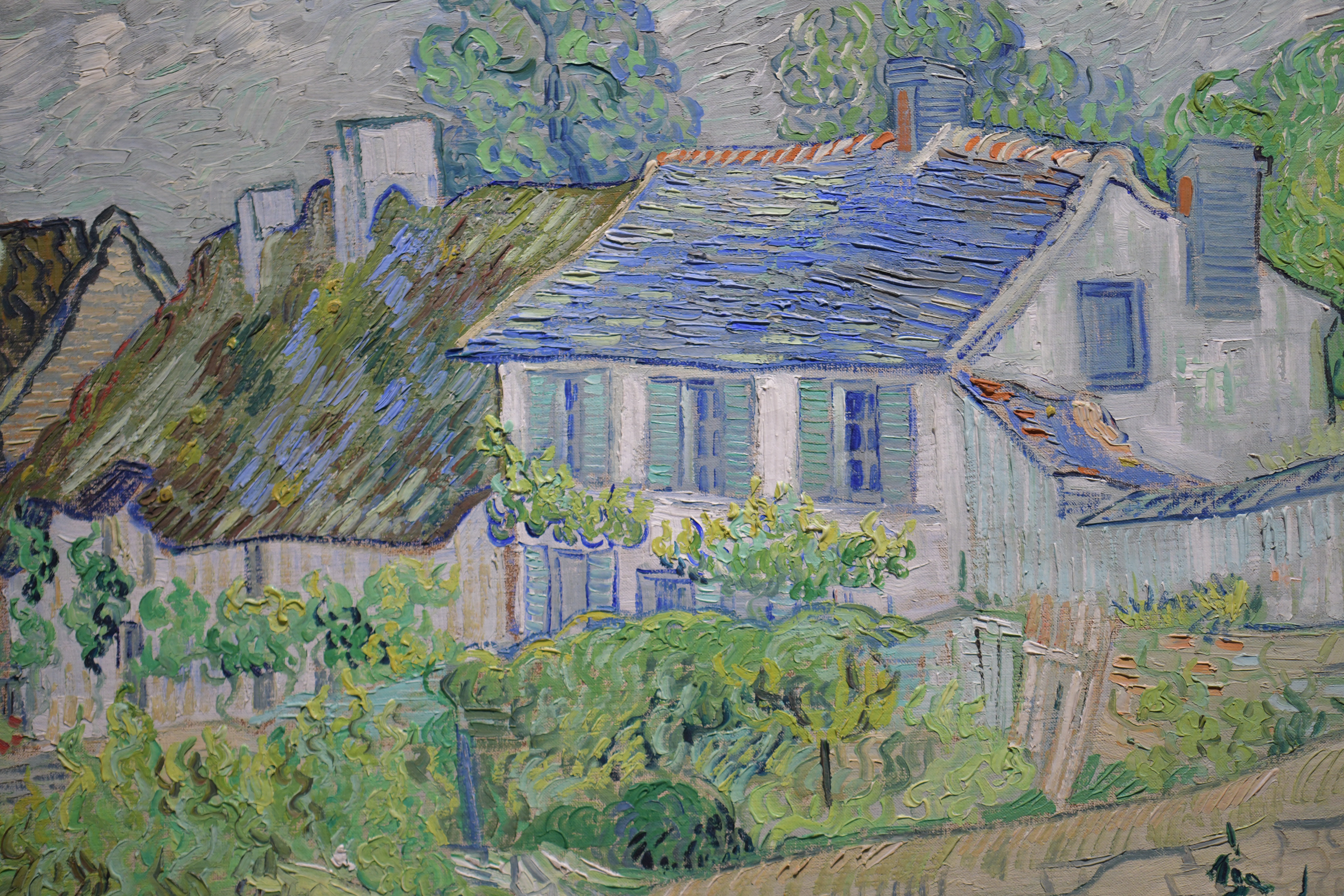
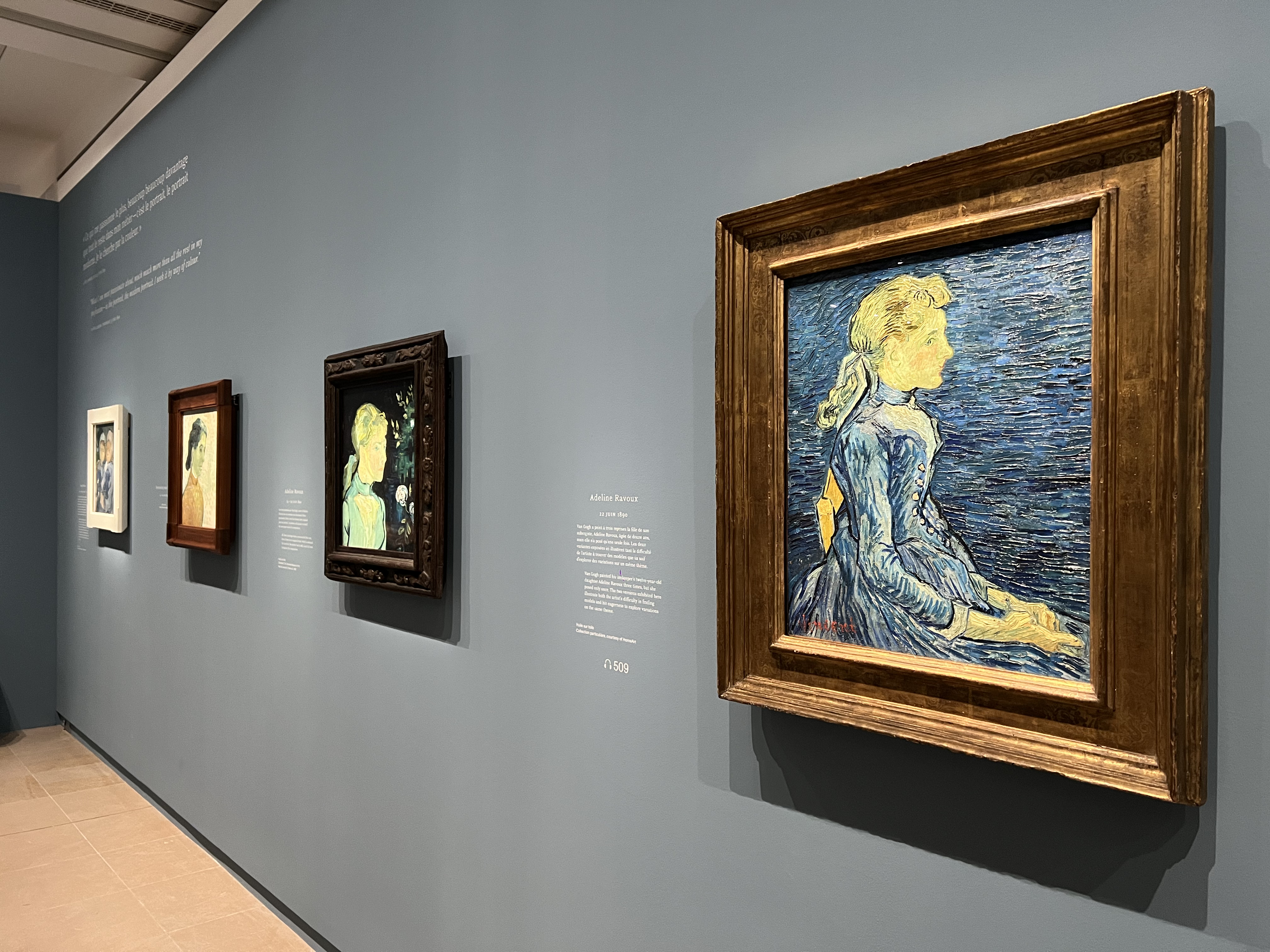
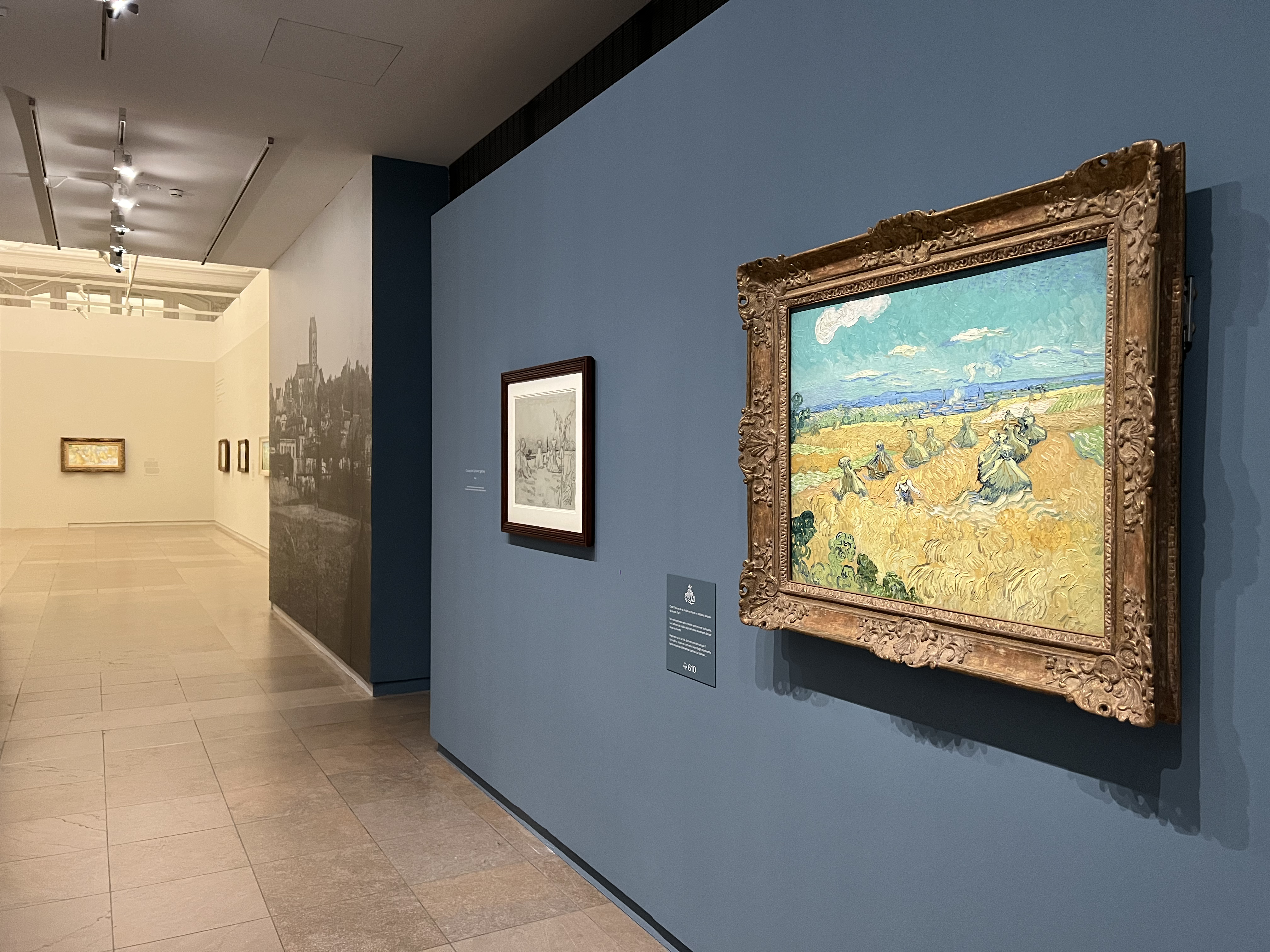
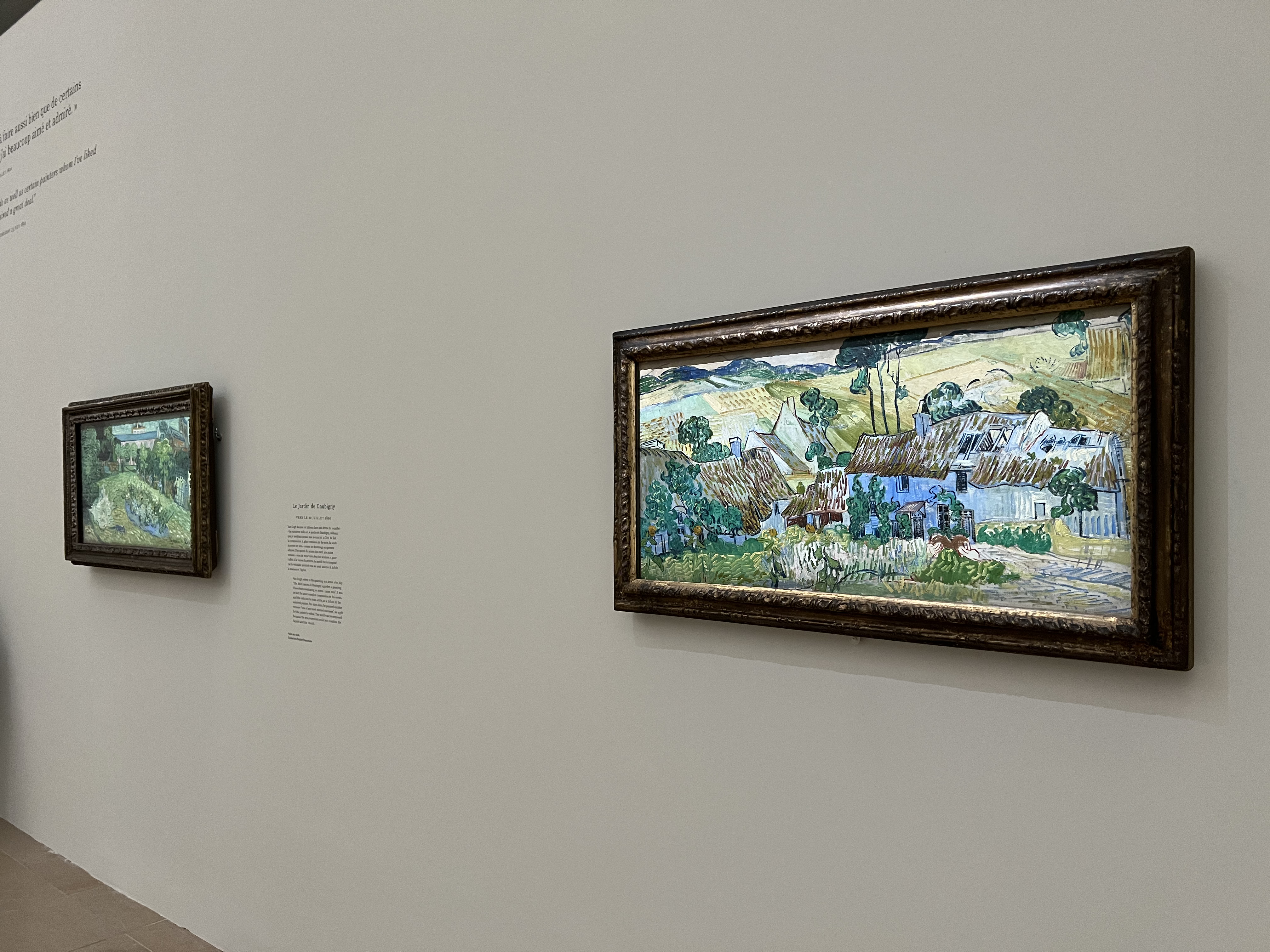
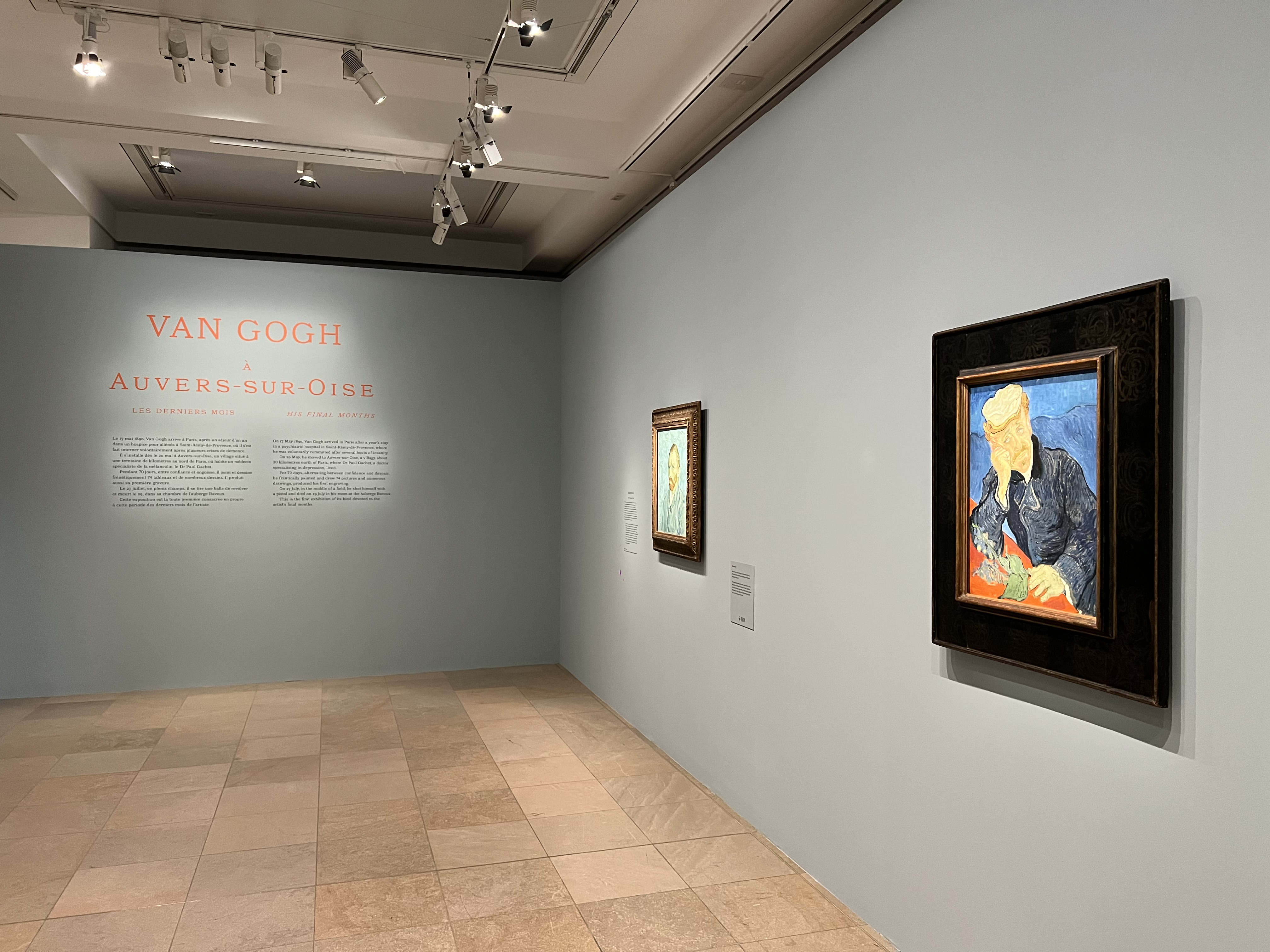
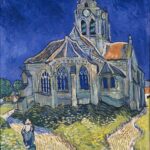
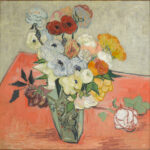
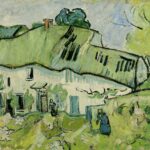
This exhibition at the Musée d'Orsay is the very first dedicated to the works produced by Vincent van Gogh during the last two months of his life, in Auvers-sur-Oise, near Paris.
How did seventy days in the life of a man forever change the history of art? For the first time, an exhibition returns in detail to the tragic end of Vincent van Gogh by following the last moments of the painter, said to be prey to melancholy, before he finally committed the irreparable.
Between May 20, 1890 and the date of his disappearance on July 29 of the same year, the Dutch artist, who had just taken refuge in the small town of Auvers-sur-Oise where his doctor lived, experienced the most frenetic period of creation in his career, the last too.
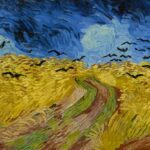
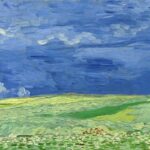
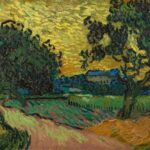
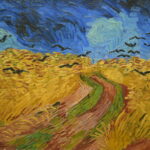
On the road to recovery, Van Gogh painted every day, throwing himself headlong into creating 74 paintings and 33 drawings among the most famous in his repertoire. From his disturbing Wheat Field with Crows to his final creation, Racines, the Musée d'Orsay has managed to bring together around forty iconic canvases, a unique series of paintings in panoramic format , as well as some pieces brought back by the painter from the Saint-Rémy-de-Provence asylum. A body of work marked by its demons and its tormented palette to summarize the last two months of a cursed artist finally overtaken by his madness.
Did you like this article? Discover the work of another cursed painter, that of Amedeo Modigliani.