



Weegee examines the American spectacle at the Henri Cartier-Bresson Foundation
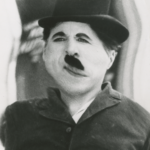
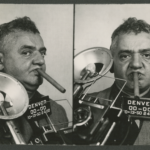
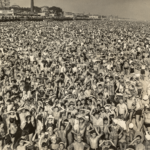
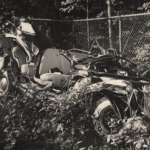
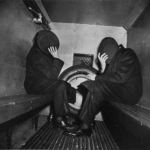
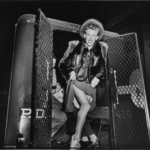
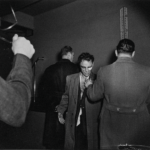
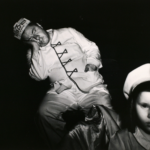
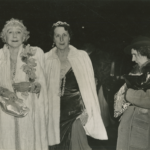
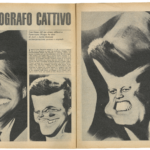
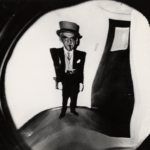
What could be the common point between photos of the corpses of gangsters, of bosses behind bars, and images of sulphurous Hollywood evenings? This is the heart of the enigma Weegee, star photojournalist of the early 20th century, that the Henri Cartier-Bresson Foundation is trying to solve. The star reporter for the New York tabloids made a name for himself through images of misery and violence, before moving on to the ephemeral glories of California and other festivities. How can we explain this turnaround? For Weegee, this is not one of them: his strikingly aesthetic art always offers a critique of the society of spectacle and appearance. Just as he transforms the morbid news item into a voyeuristic attraction, he mocks the spectacular and the artificial of the city of cinema. At the height of his career, even though he photographed the greatest of his time like Charlie Chaplin, Weegee never became worldly. His portraits of celebrities are distorted, faked, as if to show the viewer that he is well aware of the hypocrisy of the images that we create for the public. A Autopsy of the show with a striking and furiously lively aesthetic.
Did you know?
Weegee, to be the first photographer at the scene of a crime and take “hot” photos, illegally used a radio connected… to the police frequency! His fame was such that, in 1938, he finally obtained the right to use this process legally.