



Our images from the Olympism exhibition at the Louvre Museum: a modern invention, an ancient heritage
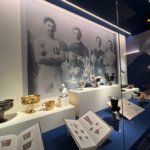
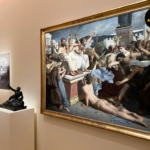
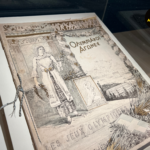
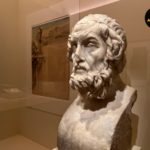
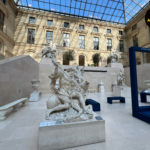
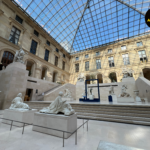
Play sports, not war! At the dawn of the 20th century, the Old Continent, still marked by the Franco-Prussian conflict and the nationalist aspirations of neighboring countries, sought a way to preserve peace at all costs between nations. One thousand five hundred years after the last manifestation of the ancient Olympic Games, most French and Greek academics, historians and politicians see in the universal practice of sport a way of calming hearts. Behind this vast project, the controversial Baron Pierre de Coubertin of course, but also other little-known figures that History has unfortunately not retained. Many years later, the Louvre looks back on the crazy history of the modern competition, from its ancient origins to its triumphant return to the front of the track.
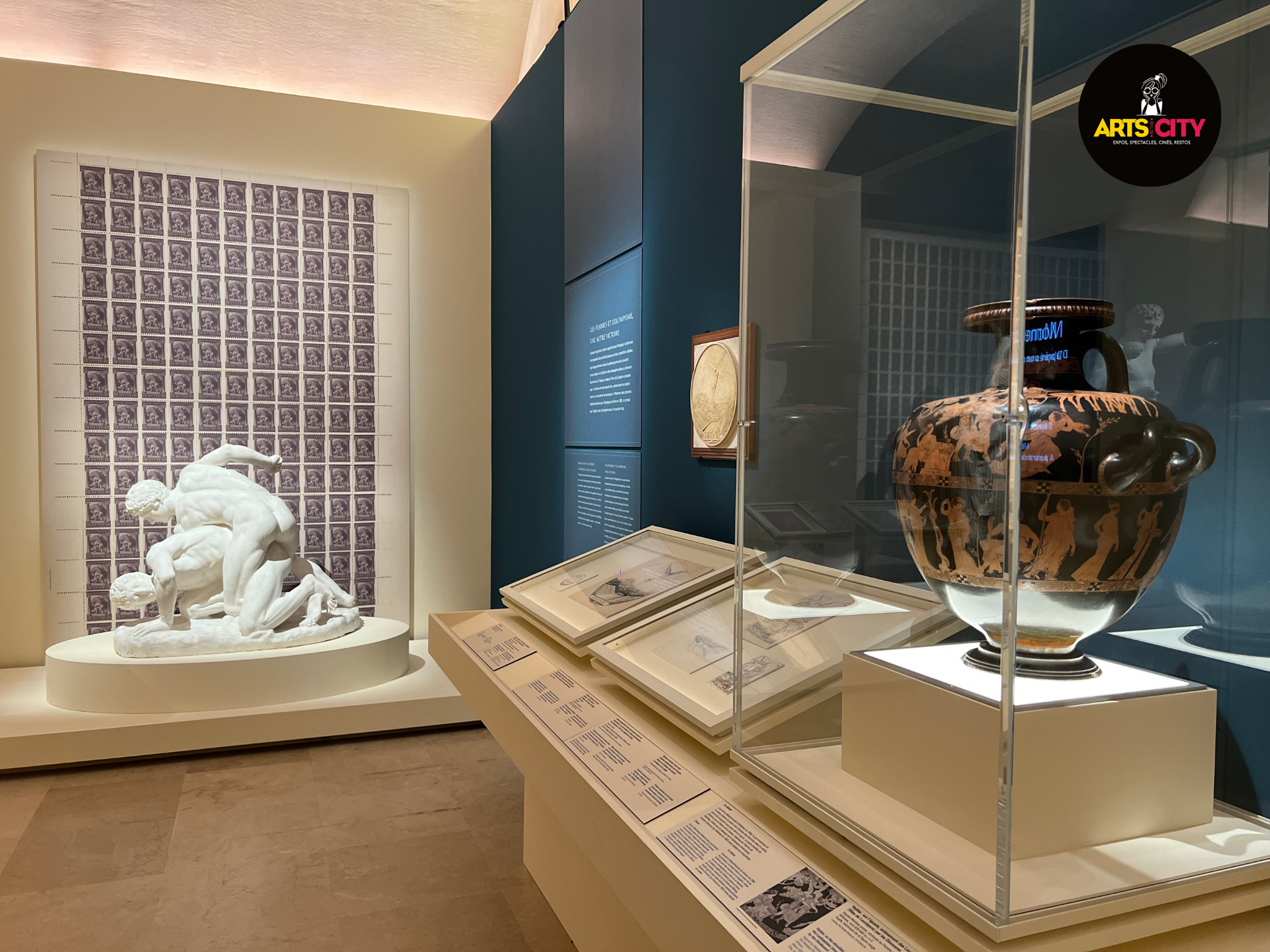
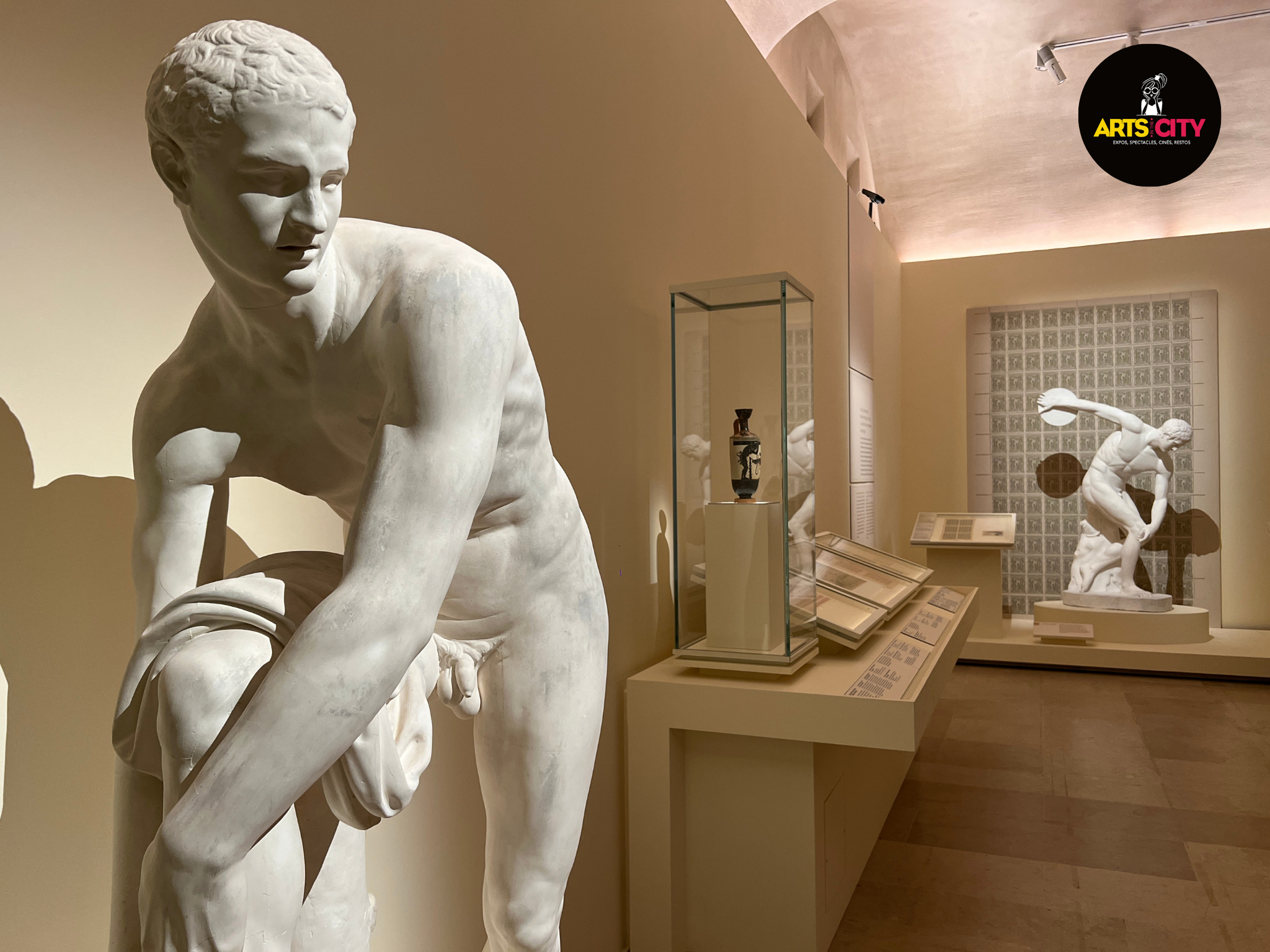
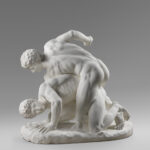
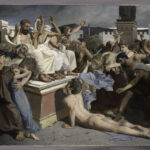
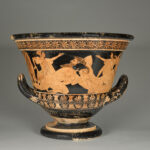
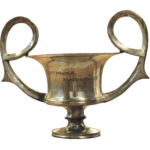
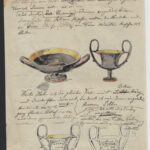
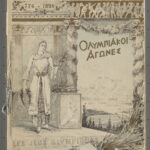
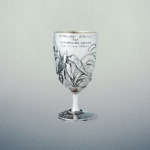
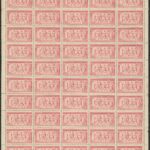
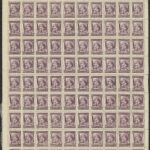
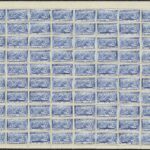
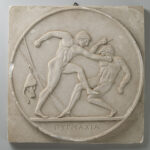
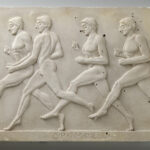
In addition to Pierre de Coubertin, the exhibition presents us with the historian, linguist and educator Michel Bréal, the man behind the silver trophy offered to the winner of the first Marathon race in 1896. An Olympic treasure born in Paris , but which had never been exhibited in the capital until today... Another shadowy figure suddenly appears, Louis Emmanuel Émile Gilliéron, the official artist of the first modern Games. By contrasting the replica, the original work and its model, the exhibition compares for the first time the antiques that inspired him with his works produced for the Games. Whether in its stamps, its postcards or its posters, we guess in each curve and each movement the latent influence of the ancient Games, its plasters and its ceramics, to the point of recognizing the athletic profile of the Medici Wrestlers in this stamp dated 1906. Here, the muscles contract, tense, compress, the limbs dislocate following this mechanics of bodies without age or country.

Did you know?
Victim of a heart attack at the age of 74, Pierre de Coubertin died in Geneva in 1937. If his body rests in Lausanne, his heart is buried, according to his last wishes, near the sanctuary of Olympia in Greece Where it all began.