

Aerosol exhibition: a history of graffiti at the Rennes Museum of Fine Arts
Rennes Museum of Fine Arts
From June 15 to September 22, 2024
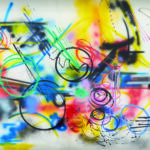
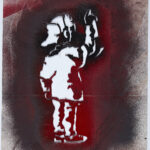
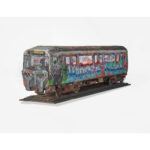
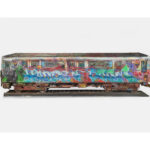
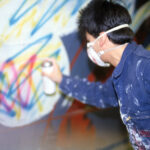
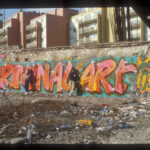
Can we truly exhibit the art of graffiti in a museum of fine arts? A daring challenge taken up brilliantly in this exhibition which looks back on the fascinating history of a free and liberated art, often vandal, sometimes lawful, always committed. Born in the street and ephemeral by nature, graffiti has established itself as a form of plural artistic expression, from freehand spraying to stencils and writings. It all started in the 60s, with pioneers like Blek le Rat, Jef Aérosol, Miss.Tic, or Futura2000, a real Kandinsky of the street, whose frescoes border on the genius of abstract art. Then we take the train to a little-known art, subway art, from New York, illustrating clandestine creations, infused with adrenaline, leaving an indelible poetic trace on our urban passages.
The exhibition “Aerosol, a history of graffiti» thus begins with a retrospective of the history of graffiti in France from 1960 to 1986, highlighting rare works by pioneers such as Blek le Rat, Jef Aérosol, Miss.Tic, Bando, Futura2000, Blitz and Dee Nasty.
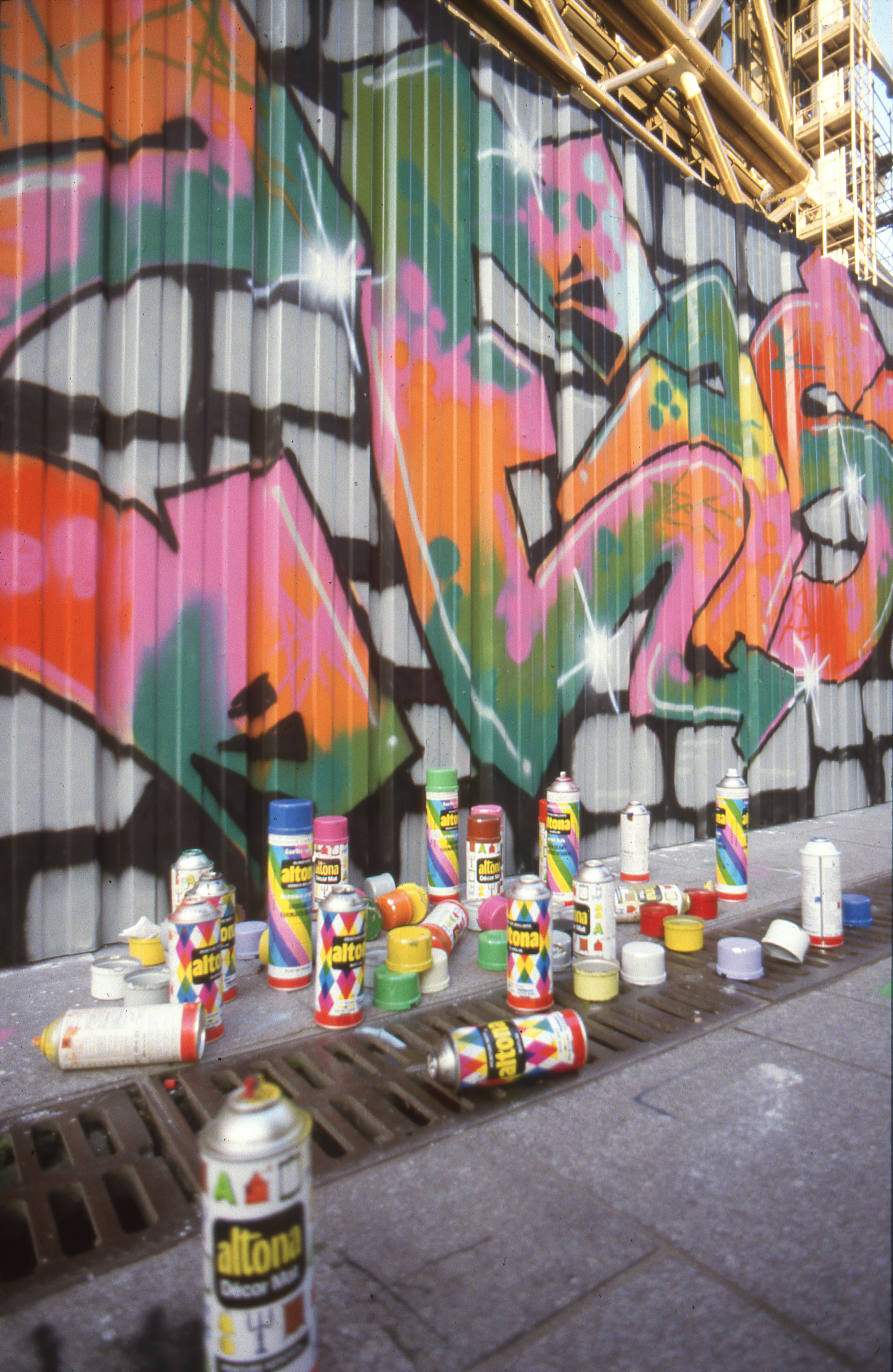
At the end of the 1950s, the aerosol bomb appeared in France under poetic names like “press-button paint”. Initially designed for repainting cars or furniture, its artistic use will not appear until much later. The first spray graffiti in France – not yet recognized as art – appeared in the 1960s, often in the form of anonymous political slogans. During the events of May 68, the walls became a reflection of the concerns of the time: independence of Algeria, war in Vietnam, workers' strikes and feminist struggles. From the 1970s, the use of stencils became widespread, allowing rapid and effective reproduction of symbols and protest images. Some artists quickly adopted this new practice. Jacques Villeglé and Raymond Hains, members of New Realism, integrate graffiti found in public spaces into their works. André Cadere and Benjamin Vautier (Ben) use the aerosol can directly for performances and humorous or poetic inscriptions. Gérard Zlotykamien, pioneer of urban art in France, used the aerosol bomb in 1963 to create “ephemera” which paid tribute to the victims of deportation. In the 1980s, graffiti invaded punk-rock culture, with groups like Téléphone and La Souris Déglingué using this tool to mark public space.
The exhibition also explores the impact of graffiti writing from the United States, popularized in France by pioneers like Bando after the New York City Rap Tour in 1982 and the publication of “Subway Art” in 1984. This form of graffiti became a key element of hip-hop culture in France, with shows and events that popularized it .
Using the Mucem collections, this section traces the activity of European "trainists" and explores the importance of these mobile spaces in the dissemination and visibility of works. Trains and metros become the clandestine canvas of these shadow artists. In Paris, the RATP called on Futura for an advertising campaign in 1981, while Deenasty painted the first metro in 1984. Despite the RATP's efforts to eradicate them, the tags and graffiti continue to multiply. The preparatory sketches, photos of graffitied trains and objects taken from trains show the passion and adrenaline that drives these artists. The graffitied train models, made of metal, plastic or cardboard, demonstrate the fascination with these mobile objects.
Did you know?The great Keith Haring, a world-renowned artist with a Pop Art aesthetic, began as a street artist{ 76} in the New York subway, in the 1980s.
An exceptional lender!The Mucem graffiti collection stands out for its pioneering character among European museums. With more than 2,000 pieces, this anthropological and artistic collection was obtained directly from graffiti artists, thus promoting rich documentation of the artists' discourses around their creations and associated objects.
RENNES FINE ARTS MUSEUM
From June 15 to September 22, 2024
20 quai Emile Zola, 35000 Rennes