



Epidemics exhibition, taking care of the living at the Confluences Museum in Lyon
Confluences Museum
Until February 16, 2025
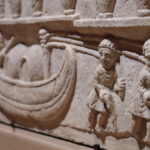
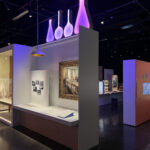
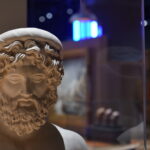
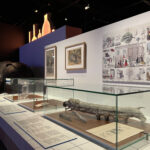
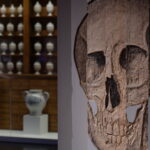
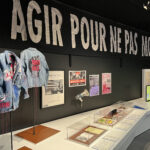

How have we been dealing with epidemics for millennia? It is here in Lyon that the Musée des Confluences is displaying this striking exhibition, at the crossroads of science and society. Because to understand how epidemics have changed the history of humanity, we must go back 8,000 years, to the Neolithic era, with the appearance of the domestication of animal species by humans. Black Death, smallpox, cholera, 1918 flu, AIDS or more recently Covid-19, all eras and regions of the world have experienced their scourges.
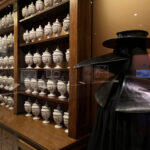
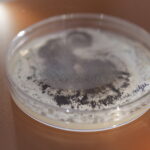
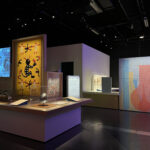
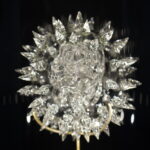
A story punctuated by periods of deep shadows and lit by bright moments. And indeed, as soon as we enter the exhibition, we are greeted by these sparkling glass sculptures by Luke Jerram, fascinating, hypnotic. Will you be able to recognize among these sumptuous crystals of light some of the most terrible viruses? It is in a subdued atmosphere, lulled by a soft and enveloping soundscape that we will travel to the heart of life, exploring the history of civilizations through the prism of the epidemics they have suffered, highlighted by scientific advances. but also and above all by the evolution of our lifestyles. We go back in time. Who can we turn to when science does not explain or even cure yet? Ancient deities, Danses Macabres and other illustrations of witch hunts reveal to us how societies protected and defended themselves from the most terrible epidemics, beyond rationality, beyond medicine. The exhibition is constructed as an investigation in time and space, exploring the interactive identity cards of infectious diseases, analyzing microbes and bacteria under the microscope, to discover that some save our lives. We come across this doctor's outfit that looks like a black crow... which may ultimately only be a myth. We discover how pasteurization or the first vaccine was born, how an epidemic can become a pandemic, and when human intervention can stop or activate the spread of a virus.

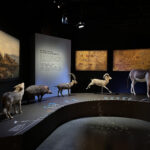
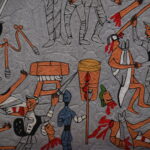
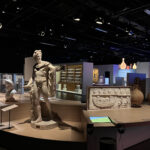
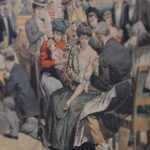
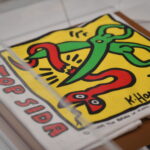
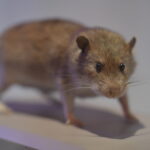
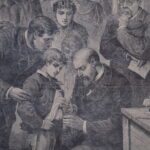
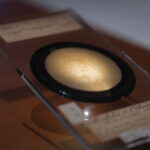
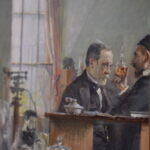
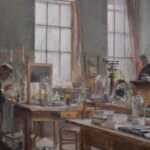
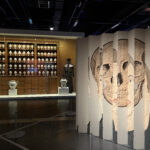
Remarkably orchestrated, this exhibition allows us to unlock the secrets of medicine, to better understand history in order to understand these life cycles in a constructive way. A golden rule emerges here: take care of the living. Nature, animals, human beings, one and the same ecosystem that interacts, around a unique health to save and preserve our planet and its inhabitants
Discover our video of the exhibition
CONFLUENCE MUSEUM
Until February 16, 2025
86 Quai Perrache, 69002 Lyon
Ticketing