

Weekend in Vienna: our cultural tour of Austria
VIENNA, AUSTRIA
Three-day cultural tour
Vienna, the capital of Austria, is best explored on foot, even in winter: this three-day cultural walk leads from Mozart's house to the vineyards of Klosterneuburg. On the agenda: the reopening of the Sisi Museum on November 19, 2026, Schönbrunn's 30th anniversary as a World Heritage Site, the Feast of Saint Leopold from November 12 to 15, and the Requiem performed in the cathedral on December 4 at midnight.
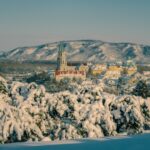
Vienna is best explored on foot, even in winter. Three reasons to go: the Sisi Museum is reopening, Schönbrunn is celebrating 30 years as a World Heritage Site, and on December 4 at midnight, the cathedral will play the Requiem, unfinished, at the very hour when Mozart died. Three days of walking, from the city center to the vineyards.
DAY 1
The Mozart Myth
Heaven's Gate
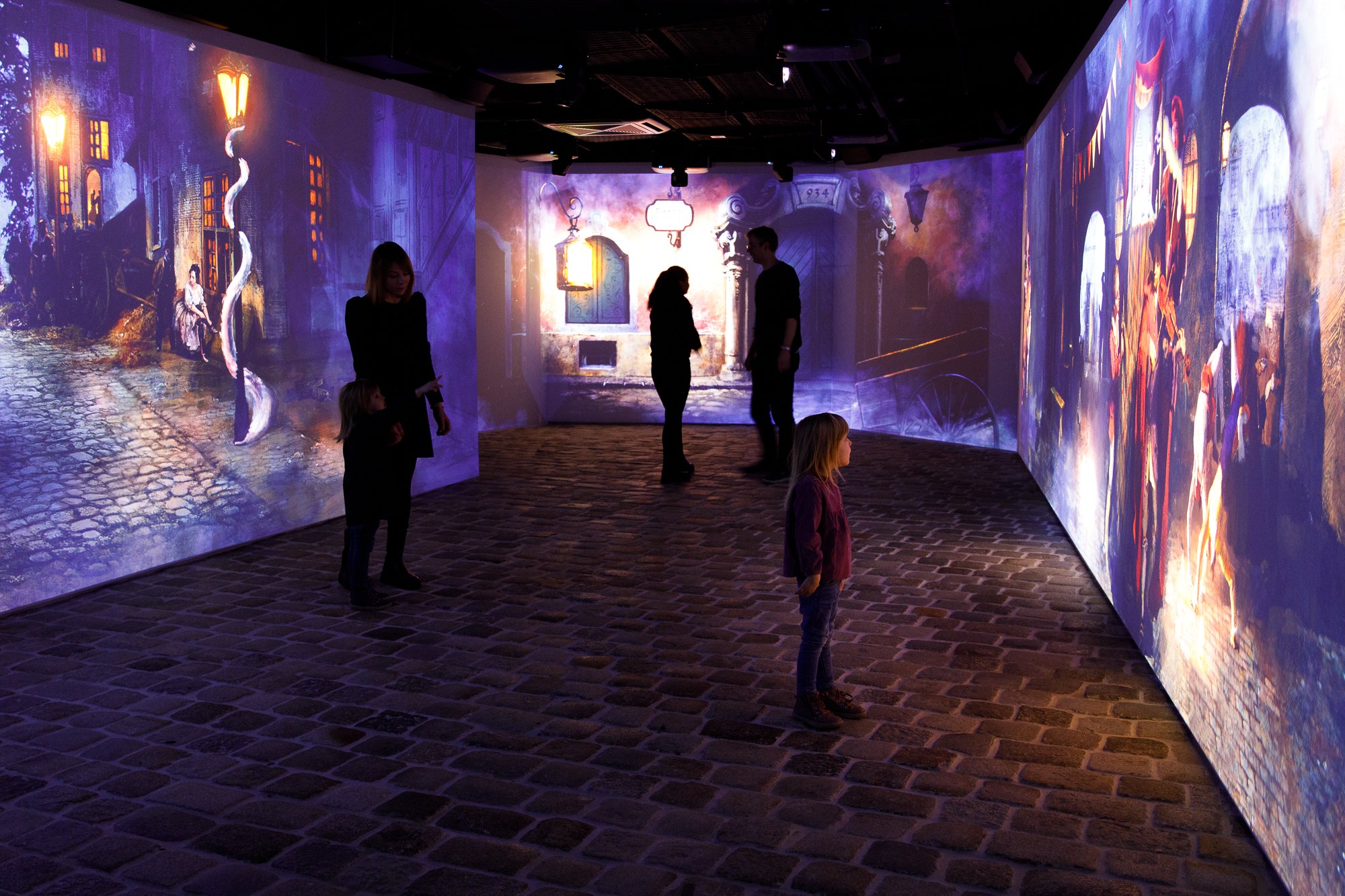
Start here. The room where Mozart died overlooked Heaven's Gate alley. Nothing remains of the house, and the grave has vanished. All that remains is the basement of the department store built on the island, where, out of five rooms, one flickers with 1,500 candles.
Kärntner Straße 19, Vienna
Mozart House and House of Music
Where He Really Lived
A few minutes' walk, and you go from myth to man. The Mozarthaus preserves the composer's only surviving Viennese apartment, the one where he wrote The Marriage of Figaro and where he received the elderly Haydn. In the same neighborhood, the House of Music lets you hear the philharmonic orchestra from within.
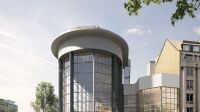
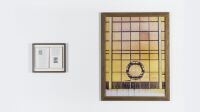
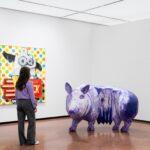
The Heidi Horten Collection: A collection unique in the world. Twenty-two thousand votes. That's what the Heidi Horten Collection garnered by asking its audience which works they wanted to see again. A Klee, a blue sponge by Yves Klein, and a Magritte came out on top, and their votes influenced the new display. The permanent exhibition Klimt/Warhol brings together a painted church on the shores of Lake Attersee, silkscreened flowers from 1964, Jackie Kennedy and Elizabeth Taylor.
Hanuschgasse 3, Vienna
Kunsthistorisches Museum
Twelve Bruegels
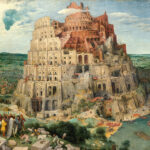
The Kunsthistorisches Museum holds the world's largest collection of these works, including The Tower of Babel and Hunters in the Snow, which hang on the first floor between Vermeer, Velázquez, Titian and Rembrandt. One level below, the Kunstkammer displays 2,200 objects in 20 rooms: automata, clocks, corals, ostrich eggs mounted in gold, and the gold salt cellar that Cellini crafted for Francis I.
Maria-Theresien-Platz, Vienna
Sissi Museum
Sissi returns home
Continue on to the Hofburg. The Sisi Museum has reopened after months of renovations, with a completely redesigned layout. Her personal effects are still on display, but the focus has shifted: rather than perpetuating the romantic myth, the museum aims to go beyond the legend. Beyond the icon of films and chocolate boxes, it paints a nuanced portrait of Elisabeth of Austria, the elusive empress. Reopening November 19, 2026 - Hofburg, Michaelerkuppel, Vienna
DAY 2
Haus des Meeres
Sharks in a bunker
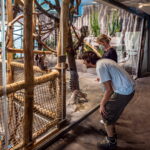
In 1957, volunteers moved into an anti-aircraft gun tower left standing in the middle of a square after the war and installed aquariums. Today, ten thousand animals occupy eleven concrete levels, including sharks, rays, turtles, and monkeys. The top of the bunker has become a panoramic restaurant, and an adjacent venue hosts concerts and cabaret performances overlooking the city rooftops.
Fritz-Grünbaum-Platz 1, Vienna
KunstHausWien Museum Hundertwasser
Anything but a straight line
Stay this way. The KunstHausWien, with its undulating floors and colorful facade, houses the world's only permanent Hundertwasser exhibition. The artist designed the building himself in 1991, in a former furniture factory, and extended his aversion to straight lines even to the bathroom tiles.
Untere Weißgerberstraße 13, Vienna
Schönbrunn Palace and Gardens
Thirty Years of Heritage
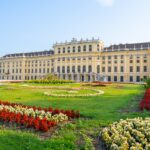
Take the subway west. Schönbrunn is celebrating its thirtieth anniversary as a UNESCO World Heritage Site this year, including the palace and gardens. Winter opens up the vistas and empties the paths: it's the perfect season to walk up to the Gloriette and gaze at Vienna from afar for an hour. The same group manages the Furniture Museum, the Sisi Museum, and two Baroque ensembles in Lower Austria: Schloss Hof and Niederweiden.
Schönbrunner Schloßstraße 47, Vienna
DAY 3
Klosterneuburg Abbey
The Wine That Saved the Altarpiece
Third day, heading north. In 1330, Klosterneuburg Abbey burned down. The inhabitants saved the forty-five enameled panels of the Verdun Altarpiece by wrapping them in cloths soaked in the abbey's wine, which has flowed here since 1114, making it Austria's oldest working winery. The altarpiece, completed in 1181, still stands. From November 12 to 15, the Feast of St. Leopold opens the market and the slide on the large barrel.
Stiftsplatz 1, 3400 Klosterneuburg - Market and slide from November 12 to 15
Esterházy Palace
Psyche Ascends to Heaven
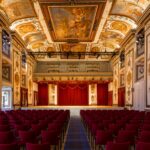
And if you have an extra day, head to Burgenland. An hour from Vienna, Esterházy Palace boasts a hall that acousticians consider one of the most beautiful in the world. Haydn worked there for thirty years, and more than a hundred concerts are still held there each year under a painted ceiling depicting Psyche ascending to heaven. The palace also displays a princely table set with Sèvres porcelain and silverware. Esterházyplatz 5, 7000 Eisenstadt
Did you know? At Esterházy Castle in Eisenstadt, music was also paid in wine: Joseph Haydn, in the service of the princely family, received part of his salary in this form. An anecdote attested to by the archives, which links two of the Esterházy family's passions: the arts and wine.
Find our other favorites in our top new releases of the week.
Learn more