

The Saint-Jacques Tower reopens its doors to the public
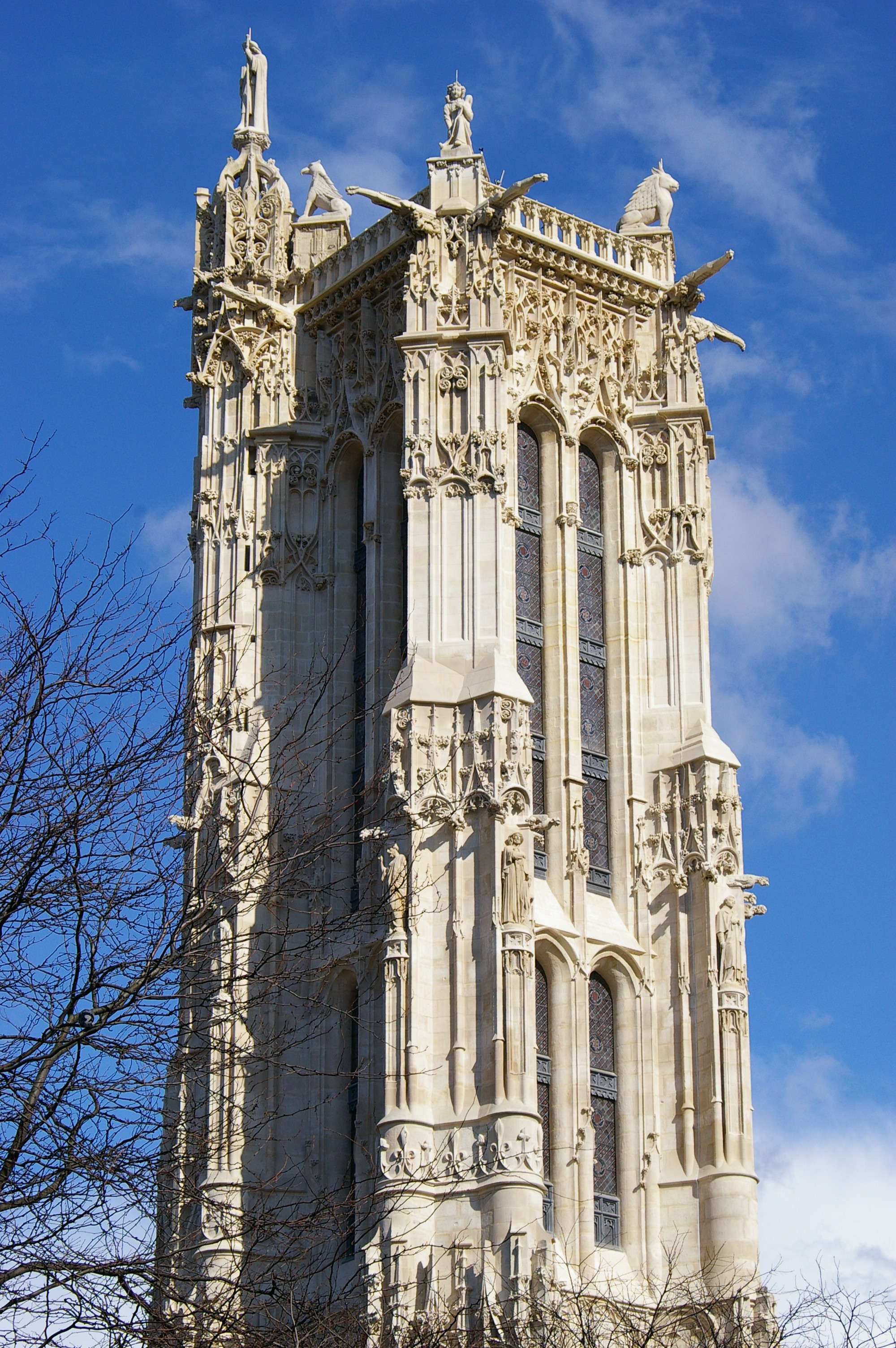
We see it without even looking at it...This year again, the Saint-Jacques Tower reopens its doors from May 17 to November 10, 2024. Nestled in the heart of Paris, this emblematic tower, classified as a historic monument since 1862 and listed as a UNESCO world heritage site, invites visitors to immerse themselves in its rich past and climb towards a breathtaking panorama. Immerse yourself in the fascinating history of the Tour Saint-Jacques and admire one of the most beautiful views of Paris, while discovering the well-kept secrets of this historic monument
As soon as you enter the doors of the Saint-Jacques Tower, you are transported to another time. Built between 1509 and 1523, this former bell tower of the Saint-Jacques-de-la-Boucherie church stands proudly in the historic district of Paris. The climb 300 steps (wear good shoes anyway...) takes you on a journey through five centuries of history, punctuated with fascinating anecdotes.
A little history… Why this name?
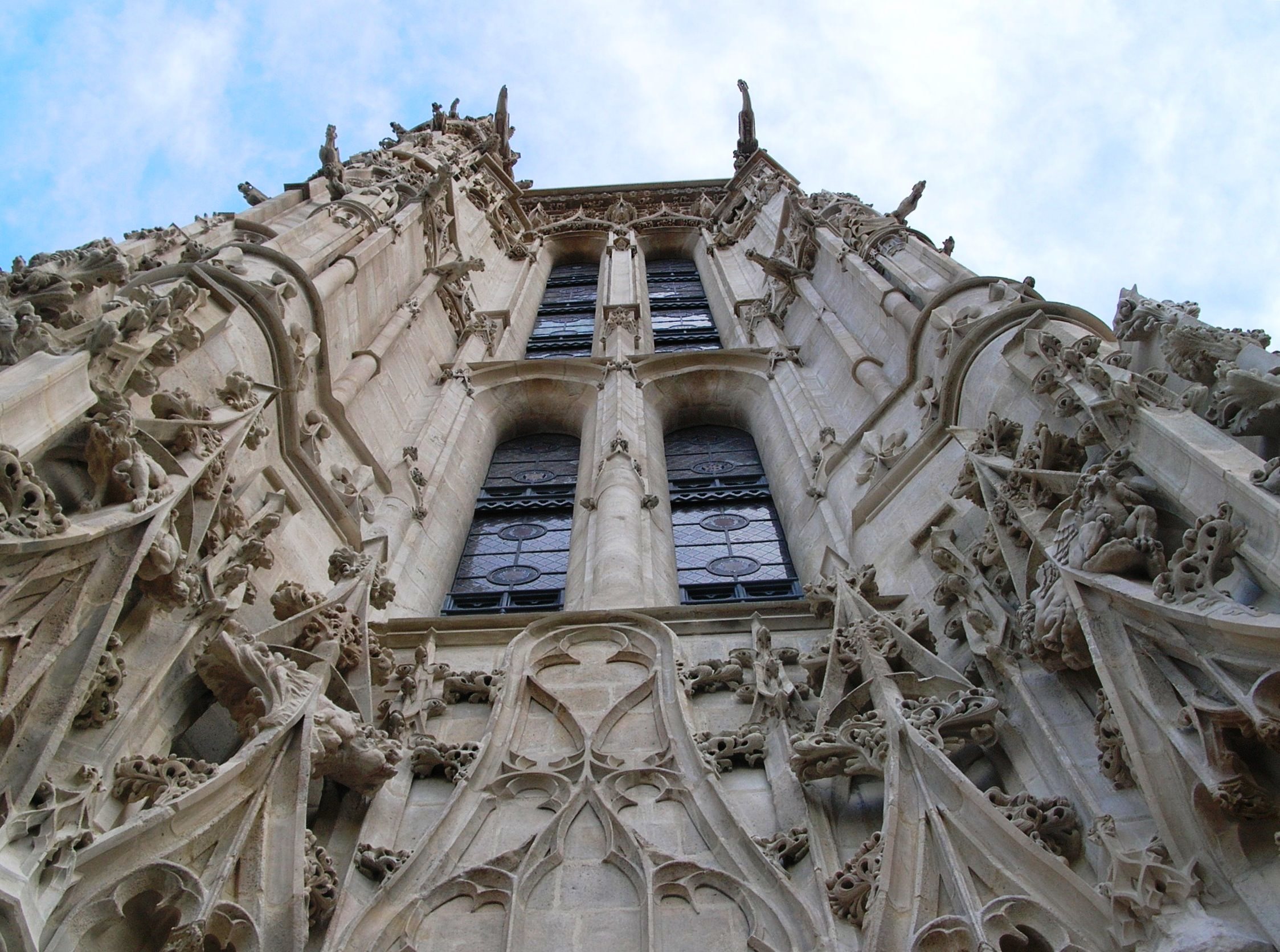
In 1509, the construction of a new flamboyant Gothic bell tower began, marking a major architectural turning point. This bell tower, completed in 1523, quickly became a landmark for pilgrims on their way to Santiago de Compostela. Over the centuries, the tower survived the Revolution, where it was miraculously spared while the church that accompanied it was dismantled.
We love… its exceptional panoramic view!
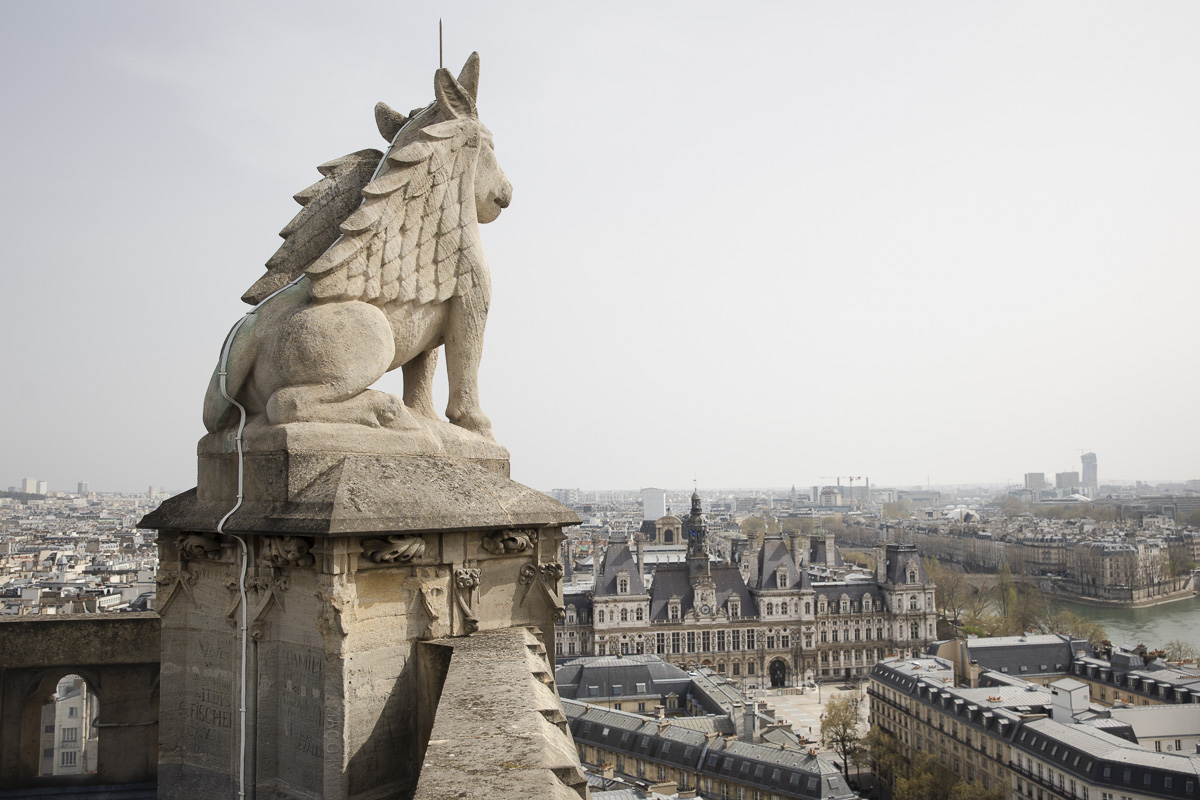
After climbing the 300 steps, you will be rewarded with a breathtaking view of Paris. From the summit terrace, 54 meters high, the capital stretches out at your feet. You will be able to admire the main Parisian monuments and appreciate a unique perspective on the city, often considered the most beautiful in the capital!
Lift up your eyes!
The top of the tower is decorated with impressive sculptures, representing the four evangelists in the guise of a lion, a bull, an eagle and an angel. These statues, as well as the numerous gargoyles and chimeras that decorate the facade, add to the mystical charm of the tower.
Did you know?
The Saint-Jacques Tower served as a laboratory for revolutionary scientific experiments. Between 1647 and 1648, Blaise Pascal conducted experiments there on air gravity, thus confirming the theory of atmospheric pressure. As a tribute, a statue of Pascal proudly sits at the top of the tower.
In the 19thth century, the tower became a meteorological research center. In 1885, the physicist Joseph Jaubert set up a laboratory there to study Parisian climatology and atmospheric pollution. This scientific mission continued throughout much of the 20th century, making the tower a place of innovation and discovery.
Practical side:
Please note, for capacity and safety reasons, visits to the Saint-Jacques Tower can only be done in groups of 17 people maximum, and only by reservation.
Wednesday to Sunday, 10 a.m. to 6 p.m.
Reservation here