

Paul Hémery exhibition: the genius of modern art at the Roubaix Swimming Pool
The Roubaix Swimming Pool
Until September 1, 2024
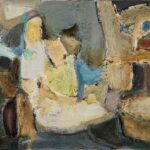
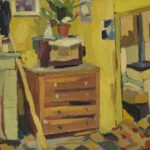
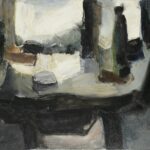
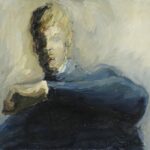
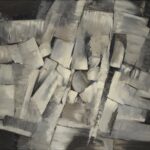
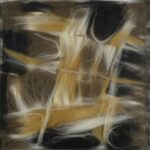
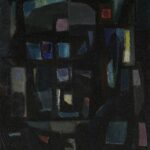
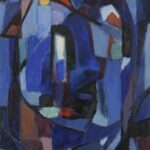
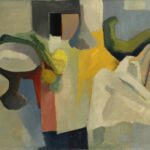
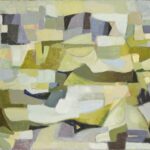
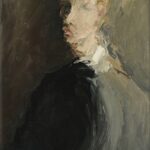
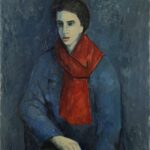
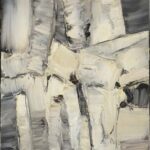
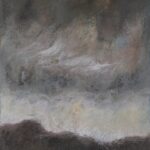
Light in freedom, painting as a legacy. Such is the testament of Paul Hémery, a notable although less known figure in the Roubaix Group alongside Eugène Leroy, Germaine Richier and Marc Ronet during the Trente Glorieuses. With a discreet nature, the self-taught painter finally emerges from the shadow of his contemporaries. La Piscine de Roubaix celebrates on its grounds the confidential work of this native of the country, during a flamboyant retrospective, oscillating between figuration and abstraction. From pastels to oils on canvas, the exhibition follows the journey of an elusive painter whose comings and goings, thick pastes and play on materials evoke the touch of a Vermeer, Turner, Van Gogh or even Nicolas de Staël.
Through this exhibition, we rediscover a creator whose career took off at the Salon des Artistes Roubaisiens and in local galleries, revealing unprecedented light on post-war contemporary art.
Born in Bruges, Paul Hémery began painting at a very young age, developing his talent self-taught after the Second World War. His first works were exhibited in 1952 at the Salon des Artistes Roubaisiens. In 1953, he shared the gallery of the Louis Parenthou gallery with Jean-Robert Debock, Jean Roulland and Michel Delporte, forging an unwavering friendship with the latter. In 1954, Roubaix was the scene of “Douze painters”, the group's first collective exhibition at the Dujardin gallery.
His move to Mouvaux in 1955 marked a decisive turning point. Close to René Jacob and Maurice Maes, Hémery benefits from their support and from the Roubais artistic network. The same year, the Tourcoing museum opened its doors to him, followed by the Dujardin gallery in 1956. Léon Renar, encouraged by Hémery to open a gallery in Roubaix, became a fervent defender of his work, organizing several personal exhibitions in the 1960s .
It was under the aegis of Roubais patrons Philippe Leclercq, then Anne and Albert Prouvost, that Hémery's career took on a new dimension. Installed in a workshop at the Marguerites farm, he proposed the creation of an artistic exchange center: Septentrion, inaugurated shortly after, became an emblematic exhibition venue. In 1970, he completed a monumental 100 m² commission, "The Birth of Light", for the Peignage Amédée workshops, marking a high point in his career.
Released from his duties as a police officer in Tourcoing, Hémery devoted himself fully to painting. Fascinated by the Prouvost minerals, he began his mineral period, exhibited in 1972 at the Henri Bénézit gallery in Paris. His work then oscillates between figuration and abstraction, exploring twilight in pastel before returning to oil, punctuated by the influence of jazz.
The La Piscine museum, thanks to donations and bequests from Michel Delporte and the artist himself, today has a reference collection of works by Paul Hémery. An invitation to rediscover an essential but little-known player in the post-war northern artistic landscape, a vibrant tribute to the freedom and light that guided his creative journey.
THE ROUBAIX SWIMMING POOL
Until September 1, 2024
23 rue de l’Espérance, 59100 Roubaix