

Masterpieces exhibition from the Borghese Gallery for the reopening of the Jacquemart-André museum
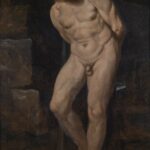
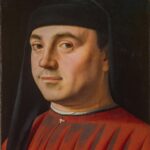
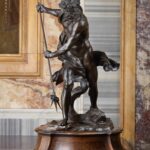

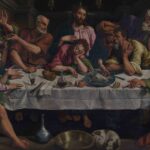
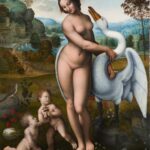
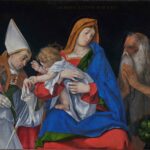
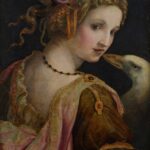
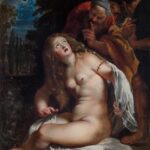
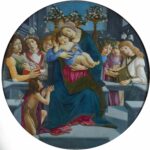
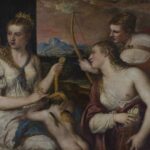
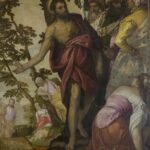
We have been waiting for its reopening for over a year. After major work, the Jacquemart-André Museum is taking advantage of the last light of summer to reveal to us a marvelous decor made of carved wood, old tapestries and dazzling gilding. If the ceiling painted by Tiepolo in the lush winter garden is worth a look alone, the real spectacle takes place upstairs with the presentation of brand new tenants... Caravaggio, Raphael, Carracci, Bernini, Botticelli: for the first time in its history, part of the famous collection of Scipio Borghese travels abroad, leaving the setting of the Eternal City for that of the City of Light. Awakened from its slumber, the Jacquemart-André Museum thus unveils national treasures which have very rarely been loaned in the past. Articulated around forty masterpieces, this sumptuous exhibition oscillating noticeably between Venetian colorism and baroque imagination, gives us every reason to get excited about the audacious mannerist theatricality of Veronese, to admire the warm and velvety beauty of Titian before falling in love with the sweet Leda, wife of the fallen king of Sparta Tyndareus, according to the polymath Leonardo da Vinci, perfect incarnation of universal genius.
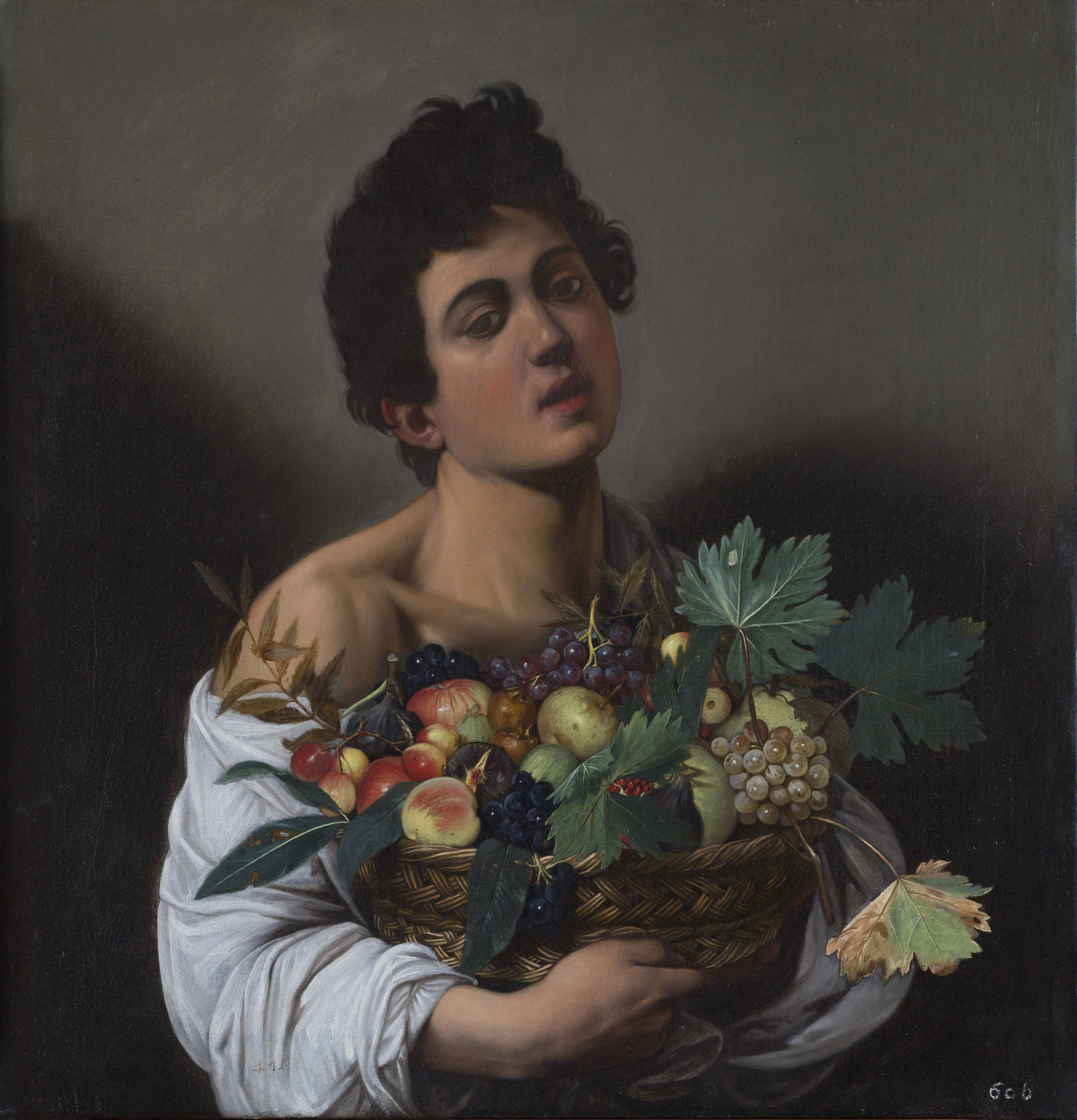
Focus on… A falsely wise Caravaggio
His face is undoubtedly one of the most famous in the history of art. With his head slightly thrown back, his bare shoulder and his half-open mouth, this portrait crystallizes almost all of the Lombard painter's obsessions: the power of shadows, adolescent fever, erotic breath. The abundance and freshness of the bunches of grapes and ripe figs contrast here with the imperfection of the dry leaves and faded flowers as if tarnished by time. An allegory on the ephemerality of youth embodied here by the figure of the young man, ultimate symbol of the forbidden fruit...
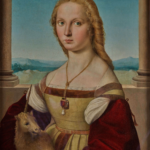
Focus on… A mysterious Lady with the Unicorn
Dog or unicorn? Virgin or wife? Created a few years before The Mona Lisa then heavily repainted at the end of the 18th century, this portrait of a young girl dressed in Florentine fashion from the beginning of the 16th century is full of paradoxes. If the unicorn and the white pearl are emblems of virtues, x-rays from 1959 revealed that the lady originally held a small dog in her arms, a symbol of marital fidelity.
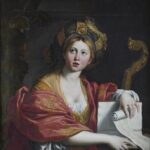
Focus on… An ecstatic Sybille
Did Scipio Borghese imprison Domenichino to force him to complete the prophetic portrait of this Sybil? Difficult to say, but legend has it that the cardinal did not hesitate to keep the painter in his quarters to ensure the progress of his orders... The fact remains that Dominiquin took care of the portrait of the young priestess, paying particular attention to his expressive face, to the play of textures and drapes, thus combining baroque grandeur with a certain classical restraint inherited from the Carracci.