

Gustave Fayet exhibition at the Louis Vuitton Foundation: our images
LOUIS VUITTON FOUNDATION
From October 9, 2026 to March 8, 2027
Gustave Fayet at the Louis Vuitton Foundation.
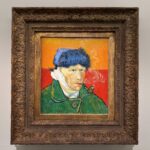
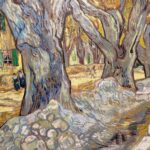
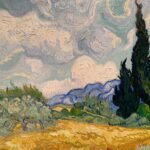
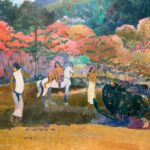
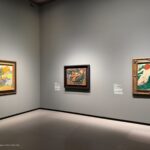
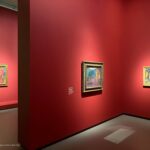
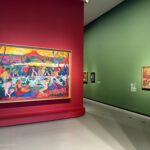
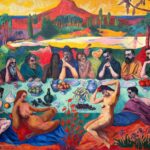
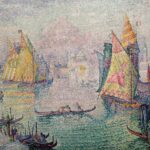
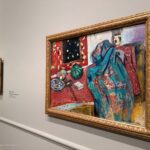
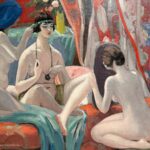
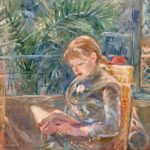
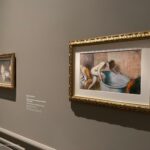
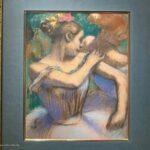
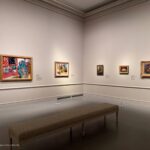
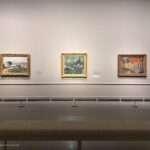
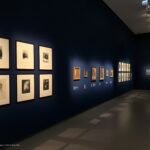
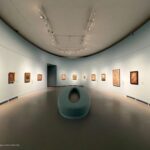
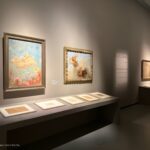
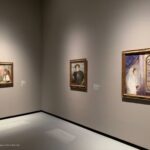
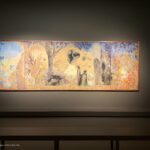
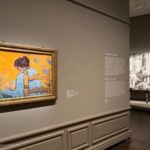
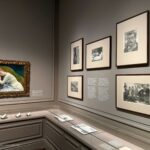
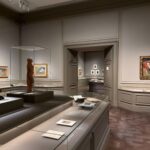
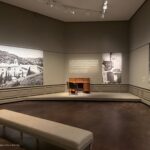
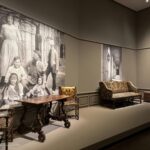
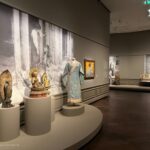
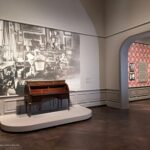
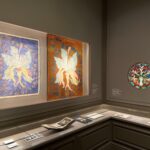
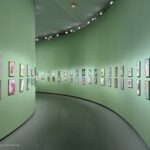
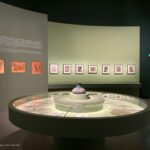
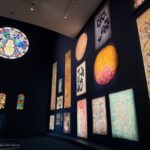
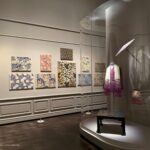
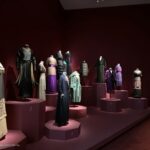
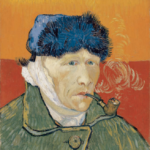
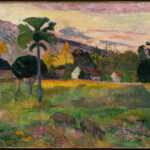
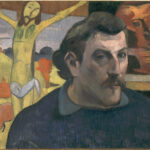
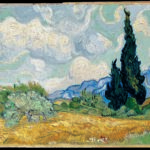
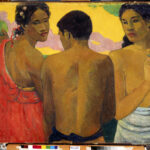
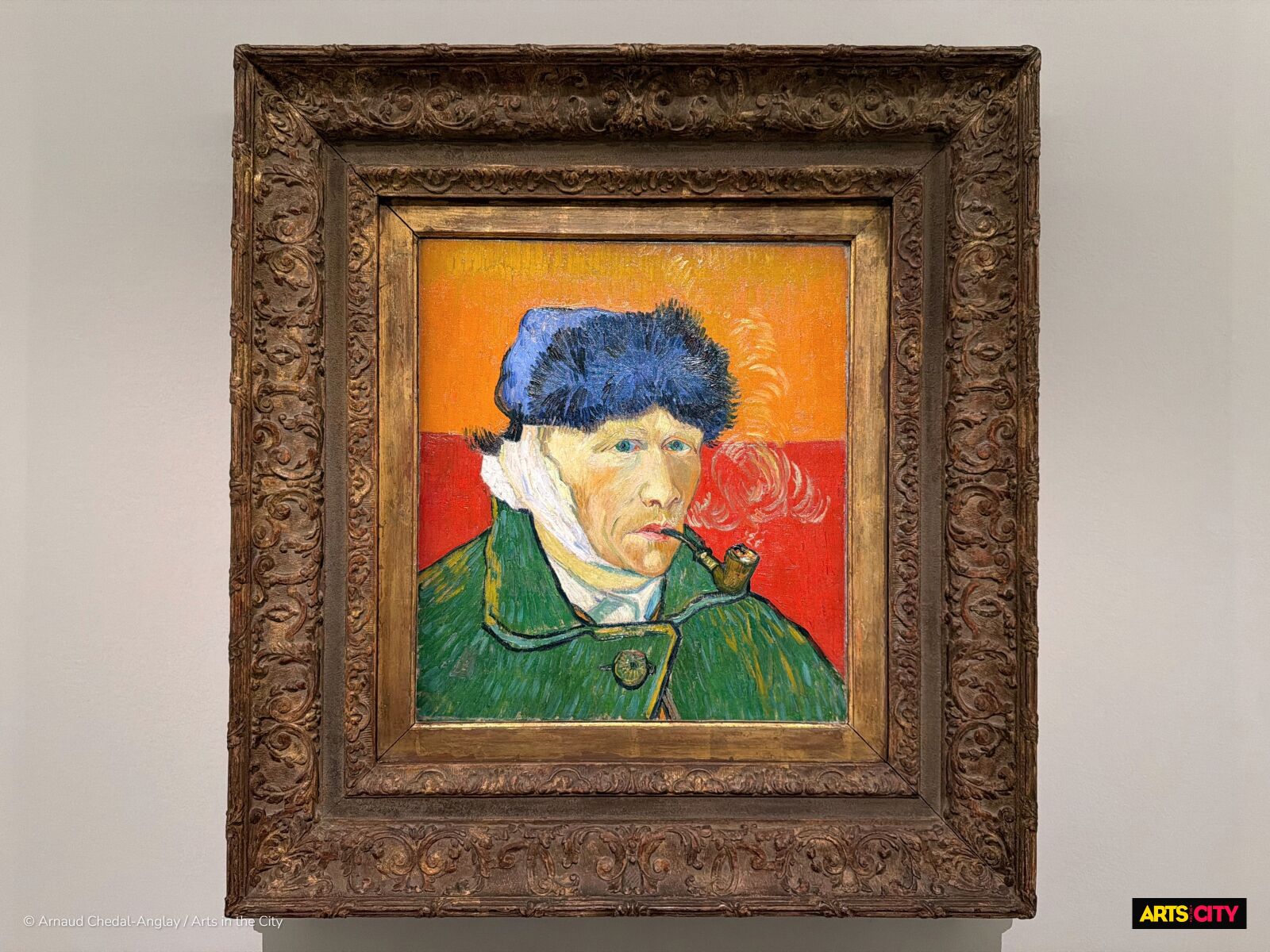
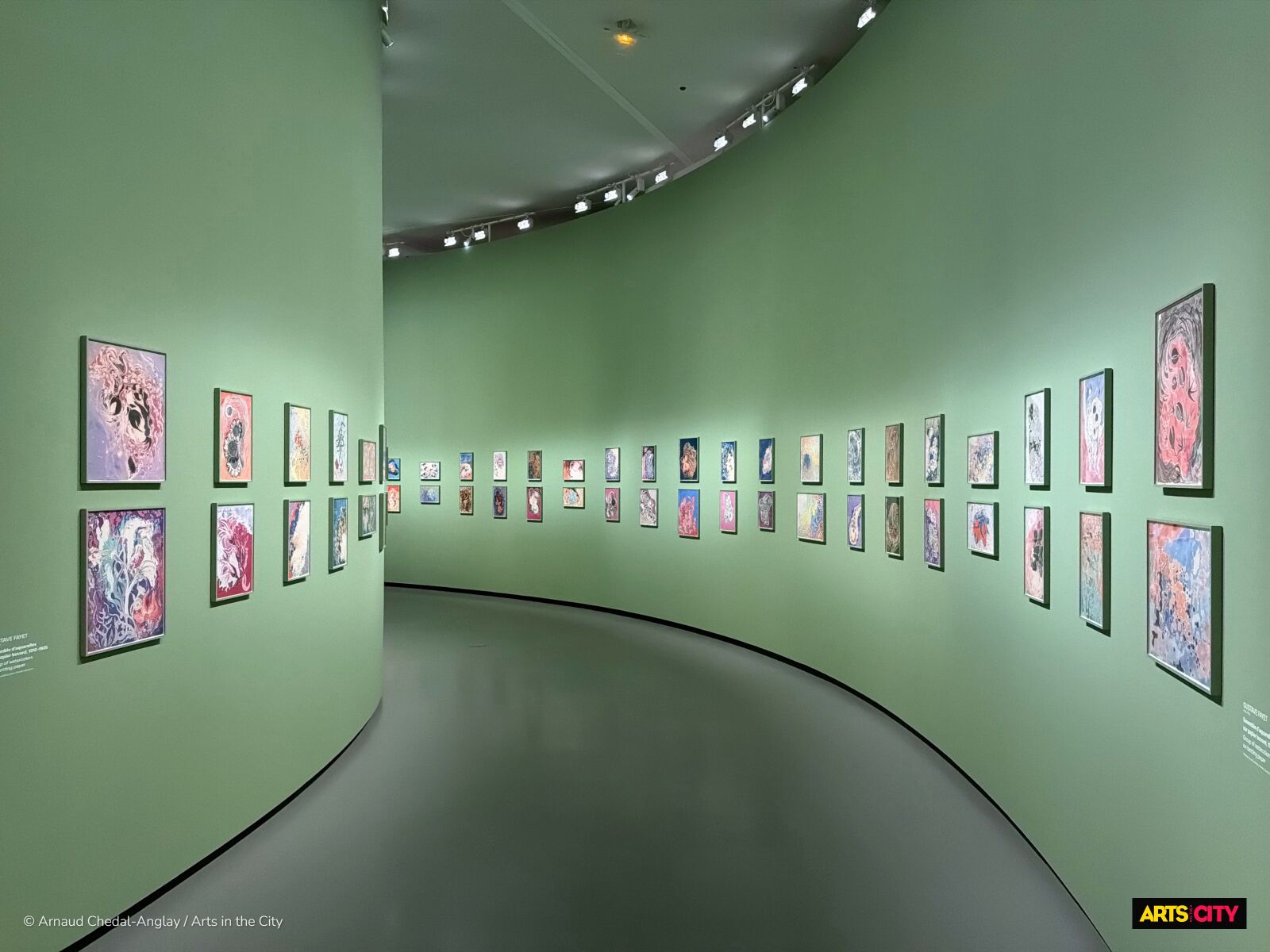
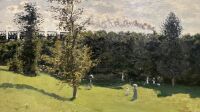
Our images from the Gustave Fayet exhibition. We previewed the exhibition two days before it opened to the public. In the red, gray, and green rooms designed by Robert Carsen, Van Gogh sets the tone with Self-Portrait with Bandaged Ear and The Large Plane Trees, before Gauguin, Signac's Green Sail, Matisse, Berthe Morisot, and Degas's pastels. Higher up, the world of Odilon Redon and Fontfroide Abbey gives way to Fayet the artist: watercolors on blotting paper, ceramics, immense carpets beneath a rose window, and restored dresses.
From October 9, 2026, to March 8, 2027, the Louis Vuitton Foundation will reunite, a century after their dispersal, the treasures of a forgotten French collector who had a nose for Van Gogh, Gauguin, and Redon before almost anyone else. An exhibition long considered impossible, in two parts: Gustave Fayet the collector, and Gustave Fayet the artist.
It's a bold move. Reuniting, a century after their dispersal to the four corners of the world, the masterpieces of a collection that the museum world had long dreamed of seeing together again: this is the challenge that the Louis Vuitton Foundation has taken on in the autumn of 2026. A project of such complexity, given how lost the works had become, that it took nearly four years and the support of 64 international institutions, from the Musée d'Orsay to MoMA, to bring it to fruition.
At the heart of this undertaking is a name that almost no one knows: Gustave Fayet (1865-1925). Long before the great foreign collectors who would mark the century, such as the Americans Albert Barnes or Duncan Phillips, this Frenchman, son of the Languedoc wine-growing bourgeoisie, was one of the very first to collect Van Gogh, exhibit Picasso, and assemble, in the heart of Paris, a veritable "Gauguin Museum." "Everything, or almost everything, is new in this exhibition," summarizes Sylvie Patry, the guest curator: the subject itself, and a number of works never before shown in France for decades.
An exhibition long considered impossible
Following in the tradition of the "Icons of Modern Art" exhibitions, which have already honored major collectors Shchukin, Morozov or Courtauld, the event occupies all the spaces of the Foundation. On the collector's side, it brings together more than 250 works from a collection that once numbered more than 740; on the artist's side, some 325 creations by Fayet, most of which have never been shown and restored for the occasion. But the singularity of the man can be summed up in a single sentence, as recalled by Barthélémy d'Andoque de Sériège, president of the Gustave Fayet Art Museum Association in Fontfroide:
The shared wish was to place Gustave Fayet in the lineage of Shchukin and Morozov, with the added distinction of being a collector who was also an artist. — Barthélémy d'Andoque de Sériège. Before becoming an exhibition, the project was a multi-year investigation, conducted in largely unpublished archives, with the cooperation of Fayet's descendants.
This exhibition is the result of several years of research in archives that are largely unpublished. It's a true labor of love. — Sylvie Patry
For Robert Carsen, internationally renowned opera director and artistic director of the exhibition, the adventure mobilized teams for nearly four years, all over the world:
Moving on an event of this scale required the audacity and imagination of the Foundation: it's almost unimaginable. With this exhibition, there will be a before and an after. — Robert Carsen
A man whom history had erased
Born in Béziers in 1865, Fayet broke free from the family's classical taste after his father's deathand bought his first Gauguins, then his first Redons, with whom he became friends. Director of the Béziers Museum, he exhibited works by Degas, Renoir, Cézanne, Rodin, and the young Picasso (shown for the first time in France) there from 1901 onwards. Having settled in Paris in 1905, he opened his salon on the rue de Bellechasse to the new generation every Thursday. How could such a man have fallen into oblivion? It was Jean-Paul Claverie, advisor to President Bernard Arnault, who got his foot back in the door, through a simple cartel intrigue:
I had been intrigued when I read the label of a Gauguin: the painting had been sold by a certain Gustave Fayet to finance the restoration of his abbey. I thought to myself: But who is this Fayet who sells a Gauguin to restore an abbey? — Jean-Paul Claverie
From this curiosity arose a meeting with the heirs, then a friendship: "We met, and, quite simply, we liked each other," he smiles. It remained to understand the neglect, the reasons for which Barthélémy d'Andoque de Sériège offers:
His collection was very quickly dispersed by his children, still young and heavily courted by dealers; his masterpieces went to the greatest museums in the world. And his wife, Madeleine, who outlived him by nearly fifty years, did not want researchers to search his archives. — Barthélémy d'Andoque de Sériège
One hundred years after his death, the time for redress had come. "Gustave Fayet was ready to be rediscovered," summarizes the association's president.The Collector: An Eye, and Friendships
The first part reveals this exceptional eye: 10 paintings by Van Gogh, including four that had not been exhibited in France for nearly a century; 78 works by Gauguin; 88 by Odilon Redon; and paintings and pastels by Degas, Cézanne, Toulouse-Lautrec, Renoir, Berthe Morisot, Signac, Bonnard, Vuillard, and Matisse. Among the highlights is Van Gogh's Self-Portrait with Bandaged Ear (1889), a piece from the Fayet collection and not seen in France since 1990, displayed opposite Gauguin's palette. And three Gauguin masterpieces reunited: The Yellow Christ, Portrait of the Artist with the Yellow Christ, and The Breton Calvary.The admiration was mutual, as evidenced by this letter from Gauguin to Fayet in March 1902:
Looking at your collection, I see that I am in the company of masters, and this makes me happy, but also quite shy. Finally, there are men who know how to appreciate painting. — Paul Gauguin, letter to Gustave Fayet, March 1902. A second passion structured his life. In 1908, Fayet bought the Cistercian abbey of Fontfroide, near Narbonne, which he saved and transformed. He invited his friends there: Redon created an extraordinary decoration for the library, which remained secret for a long time. For Jean-Paul Claverie, this is the key to understanding his character:
Two passions structured his life: first, art and artists, with his incredible eye; then, from 1908 onwards, Fontfroide, the abbey he saved. He brought living artists into a magical and almost eternal place: a true total work of art. — Jean-Paul Claverie Not for the money, but to finance Fontfroide and the grand decor he envisioned there.The Creator: The Great Revelation
For Fayet did not merely observe: he created, relentlessly. As early as 1896, he launched a ceramics workshop in Béziers and exhibited at the home of Siegfried Bing, the leading figure of Art Nouveau. From 1912 onward, in his Château d'Igny, he painted watercolors on blotting paper, bordering on abstraction, which inspired fabrics, wallpapers, and carpets. In 1920, he founded the Atelier de la Dauphine in Paris. Success was immediate, and the enthusiasm total, as Jean-Paul Claverie recalls:His carpets caused a veritable frenzy: they were sold almost as soon as they were produced; they were desired almost as soon as they were shown. Jeanne Lanvin, all the great names, adored them. — Jean-Paul Claverie
Jean Cocteau would coin the apt term "touchatouism" for this all-encompassing creative curiosity. And the writer André Suarès will provide the definitive formula, which could serve as an epigraph for the entire exhibition:
He did everything with artistry. —André Suarès, on Gustave Fayet
To draw the visitor into his world
To showcase such a rich and vibrant life, the Foundation entrusted Robert Carsen with a sensitive and immersive scenography, organizing nearly 767 works and documents into twenty-eight sections. Rather than a chronological arrangement, the director chose to recreate the atmospheres of the homes that housed the collection:
Fayet lived surrounded by his works, in private homes, nothing museum-like. But these works are so extraordinary that it becomes museum-like. It was necessary to recreate the atmosphere of those who knew him, to immerse the visitor in his world. An exhibition exists for the works, and for nothing else. — Robert Carsen
The general curatorship is provided by Sylvie Patry, a renowned specialist in late 19th and early 20th-century art, assisted by Angéline Scherf, associate curator. For her, the stakes go beyond mere celebration: it's about doing justice to a key figure in art history.
There are collectors who are taking up the mantle, keeping artists alive by exhibiting and sharing their work. That's the whole point of this exhibition: to bring to light one of the major players of the early 20th century, whose trail had been completely lost. — Sylvie Patry By reuniting what was scattered and revealing what was kept secret, the Foundation is not merely rectifying an oversight: it is modestly rewriting a chapter of modern art.
Gustave Fayet Exhibition at the Louis Vuitton Foundation: The Essentials
- Where? At the Louis Vuitton Foundation, 8 avenue du Mahatma Gandhi, Bois de Boulogne (Paris 16th arrondissement), throughout all spaces.
- When? From October 9, 2026 to March 8, 2027.
- What? 728 works and documents in two parts: more than 250 works from the collection of Gustave Fayet (1865-1925), including 10 paintings by Van Gogh, 78 works by Gauguin and 86 by Odilon Redon, and 375 Creations by Fayet himself (ceramics, watercolors on blotting paper, rugs, fabrics, illustrated books).
- Not to be missed: Van Gogh's Self-Portrait with Bandaged Ear and Pipe, not exhibited in France since 1937; Gauguin's The Yellow Christ, Portrait of the Artist with the Yellow Christ, and The Breton Calvary, reunited for the first time in France; the decoration painted by Redon for the library of Fontfroide Abbey.
- How much? From €0 to €36 depending on the rates, booking recommended.
- Curators: Sylvie Patry, guest general curator, and Angeline Scherf, associate curator; scenography by Robert Carsen; in collaboration with the Gustave Fayet Fontfroide Art Museum Association.
LOUIS VUITTON FOUNDATION
Discover
8 avenue du Mahatma Gandhi, Bois de Boulogne, 75116 Paris
From October 9, 2026 to March 8, 2027