

Jacques Villeglé exhibition, Paris à l’arraché, at the Carnavalet Museum: our photos and our review
CARNAVALET MUSEUM
From October 14, 2026 to February 14, 2027
At the Carnavalet Museum, "Paris à l'arraché" (Paris Torn Apart) celebrates the centenary of Jacques Villeglé (1926-2022), the man who tore down the walls of Paris to create works of art. We visited the exhibition: here are our images, and what the torn poster reveals about the city.
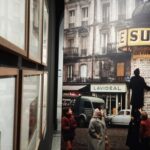
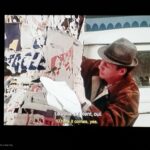
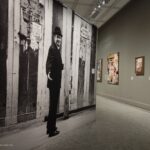
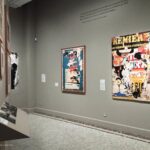
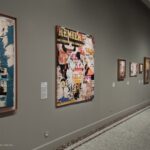
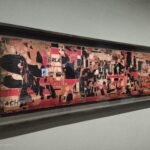
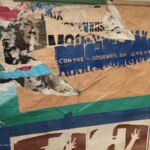
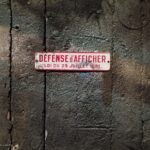
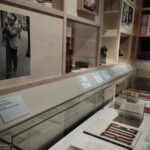
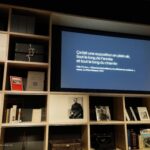
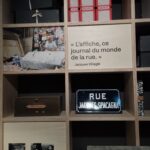
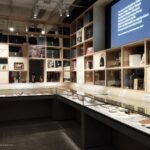
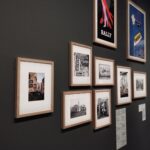
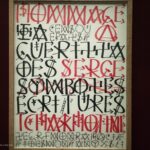
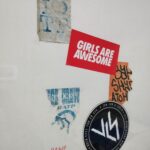
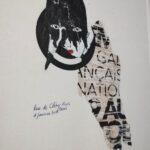
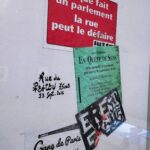
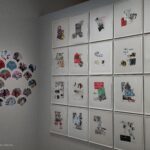
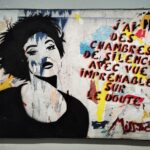
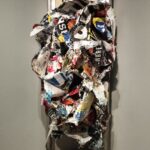
The pursuit of a Parisian kidnapper.
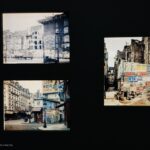
We explored the exhibition in advance, from the Morris columns of post-war Paris to today's stickers.
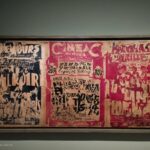
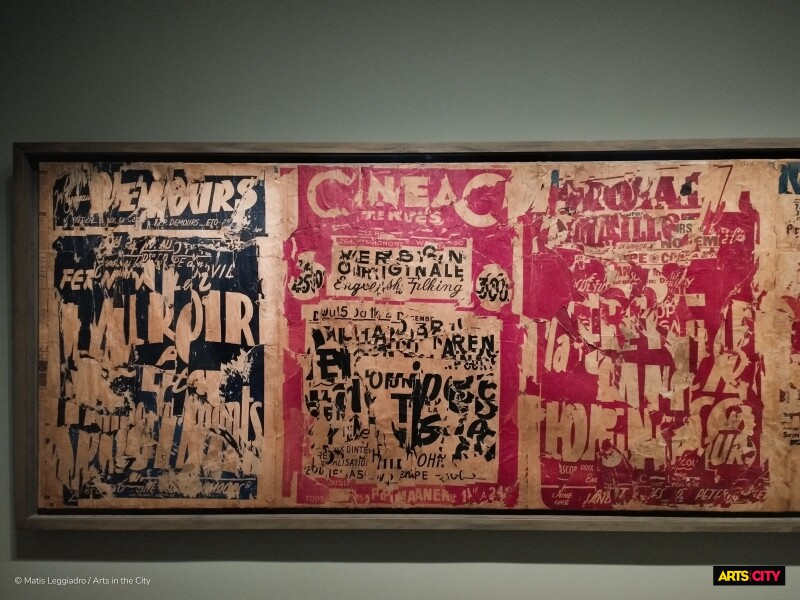
Torn movie posters, tattered political slogans, previously unseen archives, and a "No Posting" sign make up a dense and insightful journey into the life of Jacques Villeglé.
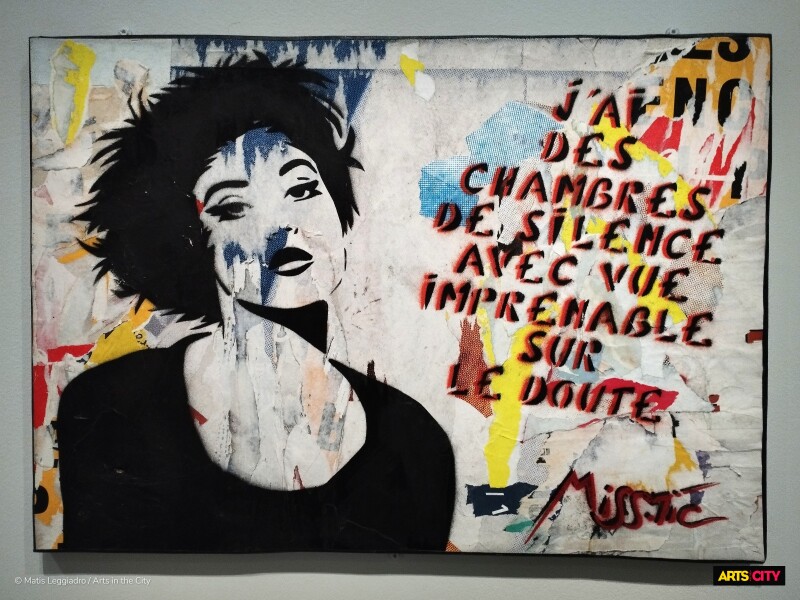
At the end of the visit, Miss.Tic and contemporary stickers remind us that the street still has a voice.
“Tear out my heart, and you will see Paris there,” wrote Aragon. In Jacques Villeglé's work, it is the walls that are torn down, and it is indeed Paris that one sees. The exhibition unfolds seventy years of the capital's transformations as if through a subjective camera: we move forward at the artist's pace, neighborhood after neighborhood, carried along by the music of Pierre Henry during a midway pause. Around him, his companions, past and present, are all present.
Villeglé called himself a “recording historian.” He collected some 4,500 samples in Paris, gathering what he called the skin of the walls. His daughter, Valérie Villeglé, recalls that he worked for the Prefecture and the City of Paris, and emphasizes that the exhibition is the first opportunity to showcase the archives of the Villeglé Endowment Fund: research, roots, unpublished documents—the visitor enters the studio as much as the street. Loans, including a particularly beautiful one from the Mucem, complete the collection.
The journey is also historical. Post-war Paris is gray and somber; its facades have not yet been renovated; on its walls, posters burst forth in vibrant colors. The city then stands out as unique in Europe: while radio takes hold elsewhere, Paris remains faithful to the poster, plastered on walls since the 18th century.
Did you know? The National Library of France (BnF) was collecting posters from May '68 at the same time as Villeglé. You had to be quick and arrive early in the morning. With Beaubourg, Europe's largest open-air construction site, the artist is at the heart of popular uprisings. Today, Paris is clean: the talking wall, and the revolutionaries who made it speak, are gone.
The final section poses the Situationist question and opens onto urban art, in relation to the Street Art(s) chair at the ENS (École Normale Supérieure), associated with the scientific committee. For while the poster has fallen silent, the sticker lives on in its time: highly visible since the 2000s, it has taken over on the walls, alongside the stencils of Miss.Tic or the interventions of Lek & Sowat.
Find our other favorites in our top new exhibitions in Paris .
Paris on the Run, Jacques Villeglé and Urban Art: The Essentials
- Where? Carnavalet Museum – History of Paris, 23 rue de Sévigné, Paris 3rd arrondissement (Metro: Saint-Paul).
- When? From October 14, 2026 to February 14, 2027, Tuesday to Sunday, closed on Mondays.
CARNAVALET MUSEUM
From October 14, 2026 to February 14, 2027
23 rue de Sévigné, 75003 - Metro: Saint-Paul (1)
Tue. to Sun. 10:00 AM - 5:45 PM - Closed Mondays
Price: €15 - Reduced price: €13 - Free for under 18s
Learn more