



Review of No(s) Dames at the Trianon in Paris: our opinion on the show paying tribute to the greatest tragic heroines of opera
The Trianon
April 11, 2023


8:45 p.m. After a magnificent opening act by Zaza Fournier and the formidable Juliette, five figures dressed in black finally step onto the stage: one man and four women. The violins of the Zaïde Quartet tune up, and the voice of countertenor Théophile Alexandre breaks the silence. The roles are reversed, and No(s) Dames can begin, before a packed house.
Never before had such a proposition been made: to reverse the roles, to overturn traditions in order to liberate operatic heroines from their outdated constraints by entrusting the musical direction to women and reserving the sublime diva arias for a man. This has now been accomplished with this breathtaking recital, conceived as a thrilling musical thriller revisiting four centuries of opera through the lens of the tragic fates of women sacrificed on the altar of destiny, from Francesco Cavalli in 17th and 6th-century Italy to Astor Piazzolla in 20th-century Argentina. A humanist and socially relevant work of great contemporary relevance, it is brought to life by the magnificent voice of Théophile Alexandre and the virtuosity of the Zaïde Quartet.
For just over an hour, the countertenor delivers a breathtaking stage and vocal performance, a stroke of genius in which he flirts dangerously with the soprano register, embodying the shattered destinies of these women through an interpretation as remarkable as it is profoundly moving in its fragility. A tailor-made role for the operatic singer, who portrays each of his characters with boundless energy and utmost sincerity, making him the revelation of this performance. The women are equally impressive: Charlotte Maclet, Leslie Boulin-Raulet, Sarah Chenaf, and Juliette Salmona all deliver absolutely masterful performances, moving across the stage with grace and power as one, sometimes performing the most beautiful compositions of the classical repertoire without a score.
A veritable operatic exquisite corpse, blending the heroines of Mozart with those of Verdi, Bizet, Tchaikovsky, and Bellini, the show, with its meticulously crafted arrangements, plunges us into the labyrinth of the greatest dramas of past centuries, conjuring on the big screen the ghosts of twenty-three martyred icons, highlighting the tragic recurrence of these figures of madonnas, whores, or witches, magnified in their suffering and condemned to certain death. On stage, the scenes unfold in a magnificent interplay of shadows and light. Théophile Alexandre plays with feminine attributes through a reliquary of diva accessories laden with symbolism: a blood-red glove, stiletto heels, corsets that lacerate the flesh…
The central thread of this captivating musical fable, imbued with a sadly macabre sisterhood, remains the fate reserved for women in male-dominated works. By overturning the roles traditionally assigned to women and deconstructing feminine archetypes in opera, No(s) Dames delivers a powerful, universal lyrical manifesto, far removed from stereotypes, passionately dismantling gender curses. The performance offers a welcome reinterpretation of these shattered destinies: the bewitching gypsy Carmen, stabbed in Bizet's opera; Eurydice, lost forever in Hell in Gluck's; Norma, burned alive in Bellini's; and Violetta, dying of tuberculosis in Verdi's celebrated *La Traviata*. A sumptuous, tragic, and sublime work, giving pride of place to our compelling heroines so that one day, perhaps, *Drama* will no longer rhyme with *Lady*.
[1]https://www.youtube.com/watch?v=2gQdOCYmwgg[2]
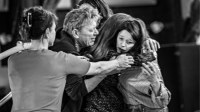
At the curtain call, a standing ovation for *No(s) Dames*, and the Minister for Equality, Isabelle Rome, takes to the stage to embrace Théophile Alexandre. Visibly moved, she thanked the artists for their commitment to fighting violence against women, including in works of fiction, for giving hope that in the future we will no longer say " if I love you, beware", but " if I love you, don't be afraid…". Heartbreaking.