

The Top of the most beautiful exhibitions to see in Paris
Twenty-two major Parisian exhibitions, the ones not to be missed this season. The Louvre revisits photography, the Grand Palais reopens the Cézanne case, the Orangerie traces Monet through time, and the Quai Branly Museum gives voice to First Nations. From the Petit Palais to the Panthéon and from the Muséum National d'Histoire Naturelle to the Musée Marmottan Monet.
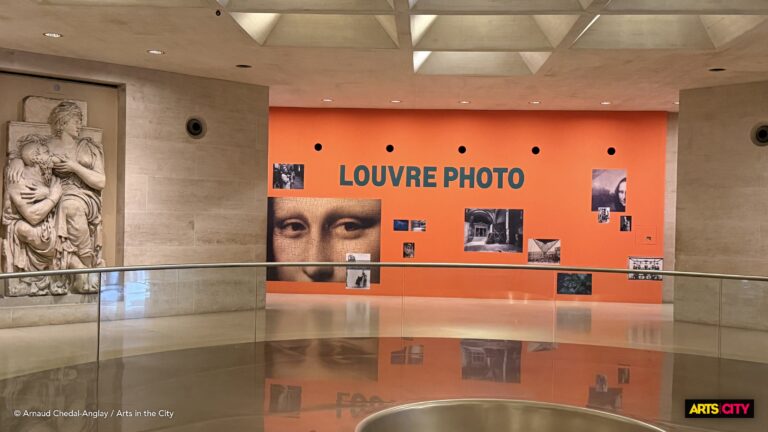
LOUVRE PHOTOGRAPHY AT THE LOUVRE MUSEUM The world's largest museum is finally dedicating a major exhibition to photography, and doing so by looking back on its own history. Dominique de Font-Réaulx and Quentin Bajac explain on the Napoleon Mezzanine how the photographic image first served the Louvre before entering its collection as a work of art. Six months to see it.
LOUVRE MUSEUM
From November 4, 2026 to May 3, 2027
CEZANNE AND US AT THE GRAND PALAIS
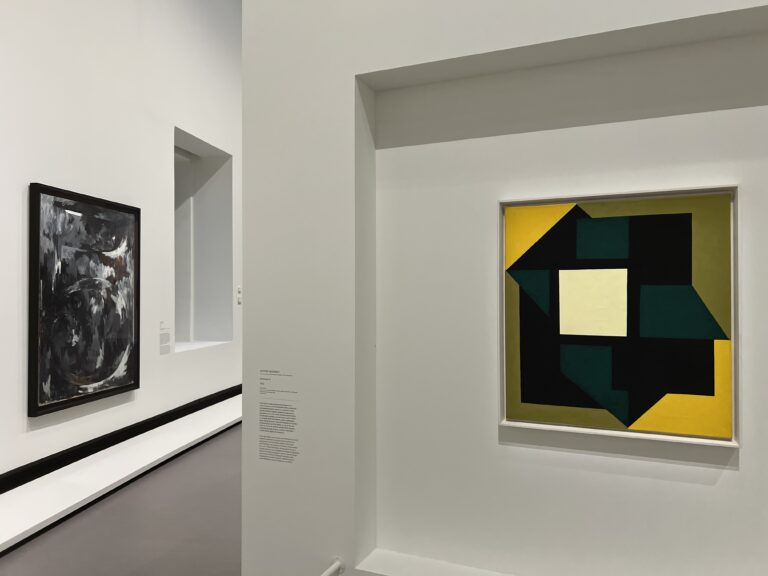
In Père Tanguy's shop in Montmartre, a few canvases lay dormant in the late 1880s. Their creator had retired to Aix and no longer sought to exhibit. Gauguin stopped there, Matisse would later stop there, and both recognized in this radicalism the path they had been searching for. The Grand Palais recognizes what painting still owes to a man who had given up trying to convince.
GRAND PALAIS
From September 23, 2026 to January 17, 2027
MONET, PAINTING TIME, AT THE MUSÉE DE L'ORANGERIE
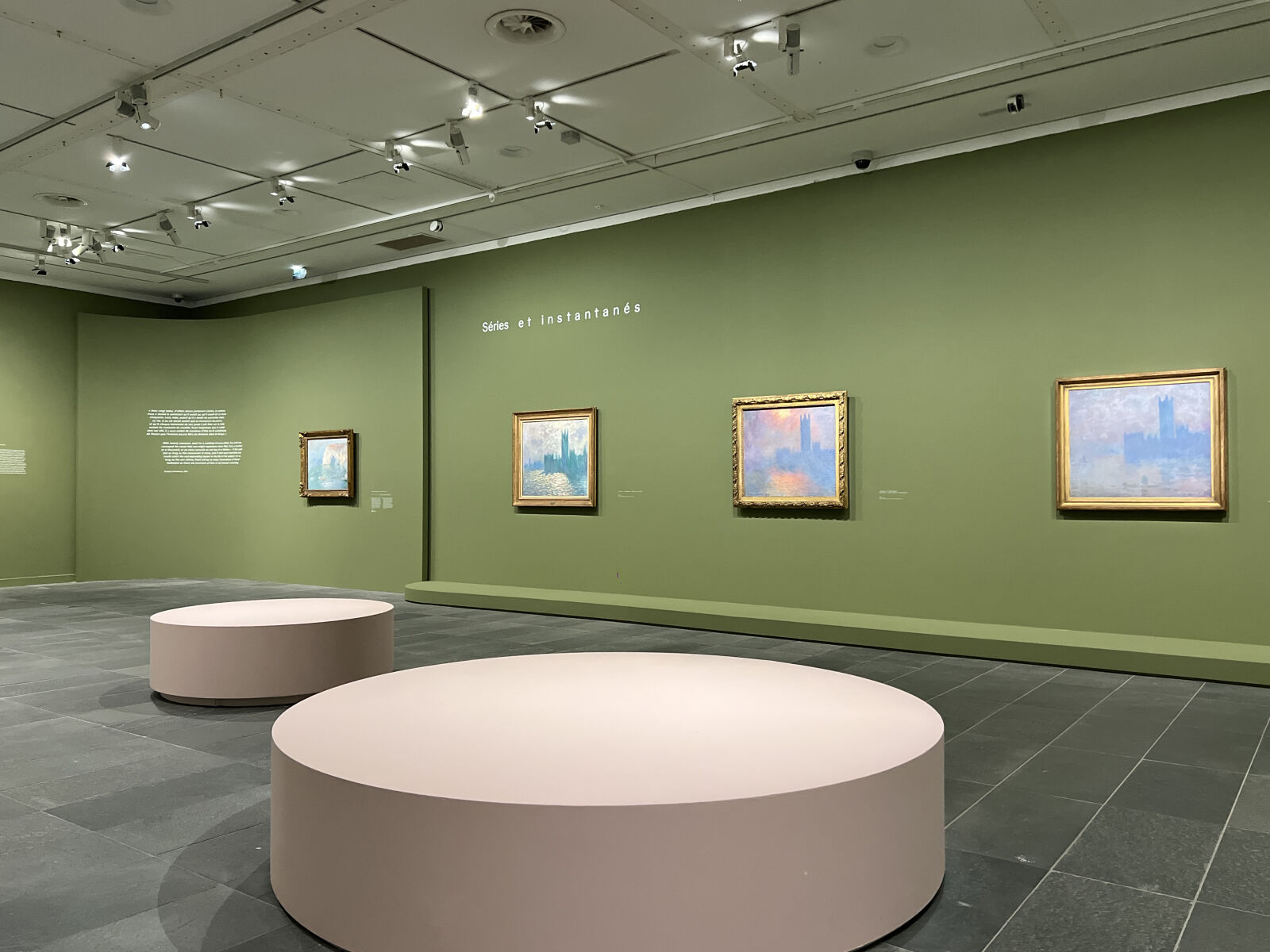
Here, Monet is at home: the two oval rooms have housed the Grandes décorations since 1927. For the centenary of his death, the Orangerie revisits the obsession that fueled all his painting: time. Forty canvases, from series to snapshots, where the same haystack and the same cathedral change from hour to hour, from mist to full sunlight.
Orangerie Museum
From September 30, 2026 to January 25, 2027
First Nations at the Quai Branly Museum
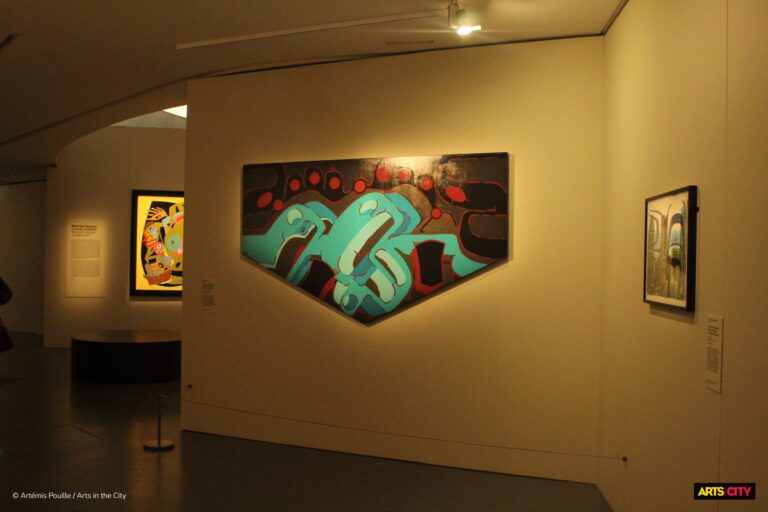
Without agriculture or writing, and yet sedentary, numerous, and hierarchical: along 1,800 kilometers of coastline, the First Nations of the American Northwest built societies of rare richness. Masts, masks, capes, and houses are presented like sculpted archives, where Corbeau reigns as creator and ancestor of the clans.
MUSÉE DU QUAI BRANLY - JACQUES CHIRAC
From September 29, 2026 to January 17, 2027
ZURBARÁN AT THE LOUVRE MUSEUM
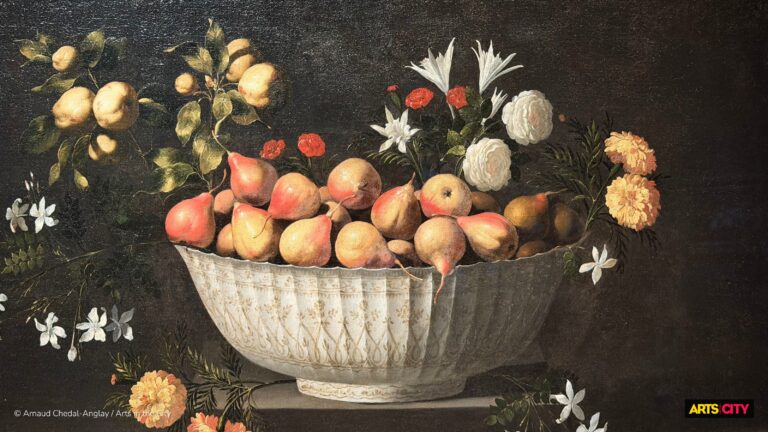
This is the first major international retrospective since 1987. The Louvre brings together approximately sixty-five paintings, including about fifty by the master, from large commissions for Andalusian monasteries to still lifes of silent precision. The Golden Age painter appears here with astonishing modernity, all purity, light, and restraint.
LOUVRE MUSEUM
From October 7, 2026 to January 25, 2027
ANDY WARHOL AT THE LUXEMBOURG MUSEUM
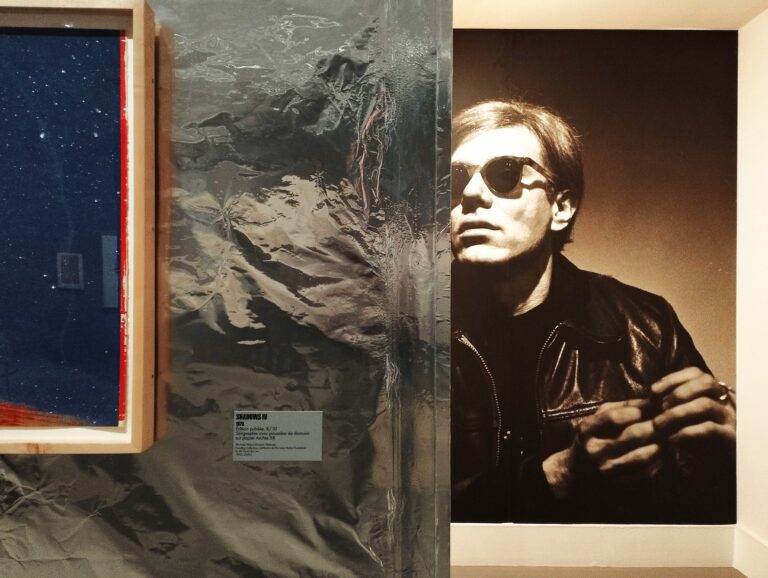
His first self-portrait dates from 1942; he was fourteen years old. His last drawing is an acrylic preparatory sketch for The Last Supper. Between the two, an image-making machine, and a draftsman whose work has ultimately been obscured by screen prints. The Musée du Luxembourg returns to the line, the line of the hand, beneath the printed color.
MUSÉE DU LUXEMBOURG
From September 16, 2026 to January 10, 2026 2027
KERRY JAMES MARSHALL, THE HISTORIES, AT THE MUSEUM OF MODERN ART
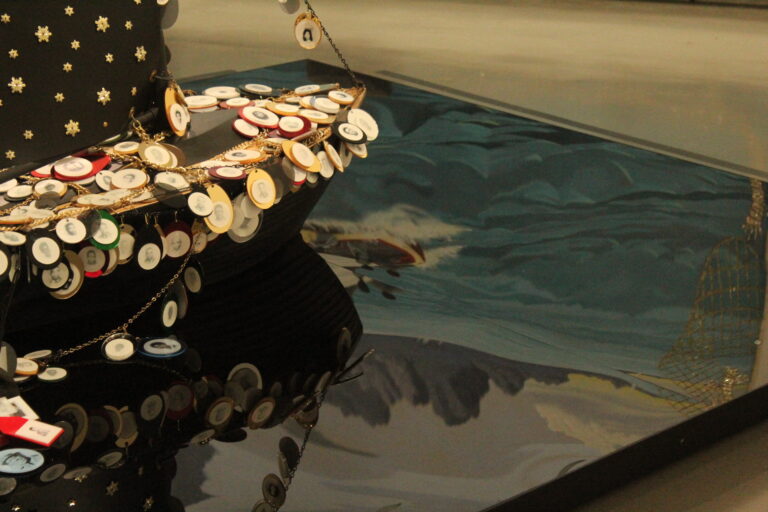
Raised in Watts, a witness to the 1965 riots, Kerry James Marshall paints Black bodies in formats and subjects that the history of painting had denied them: genre scenes, formal portraits, inhabited landscapes. Black is a solid color, never a shadow. The Museum of Modern Art is dedicating its first major French retrospective to him.
MUSEUM OF MODERN ART IN PARIS
From September 18, 2026 to January 24, 2027
THE ETERNAL TINTORETTO AT THE JACQUEMART-ANDRÉ MUSEUM
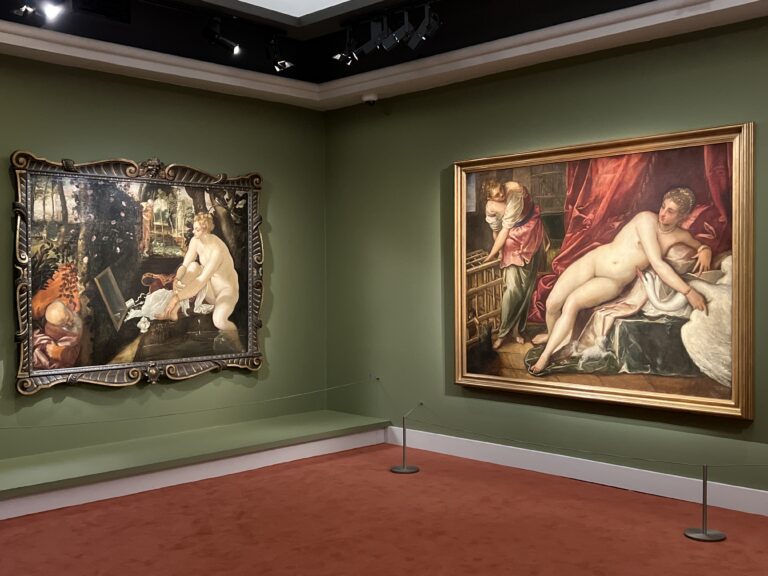
"The most terrible mind that painting has ever known," wrote Vasari in 1568. Tintoretto's entire life was spent in Venice, where he was born, worked, and died, hardly ever leaving. Turbulent skies, vertiginous foreshortening, bodies thrown diagonally: Jacquemart-André brings together the first French retrospective dedicated to him on Boulevard Haussmann.
JACQUEMART-ANDRÉ MUSEUM
From September 11, 2026 to January 24, 2027
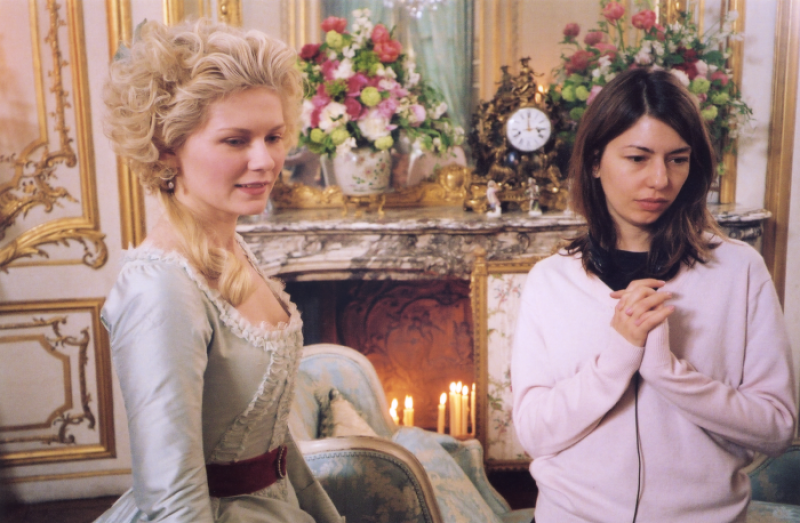
SOFIA COPPOLA'S MARIE ANTOINETTE AT THE PETIT TRIANON Satin shoes, stacks of macarons, a young woman bored behind windows that are too high. Sofia Coppola filmed these images at Versailles in 2005, and the palace is returning them to her in an exhibition she curated with him. Costumes and sets are back at the Petit Trianon, the very place the queen had furnished for herself to escape the court.
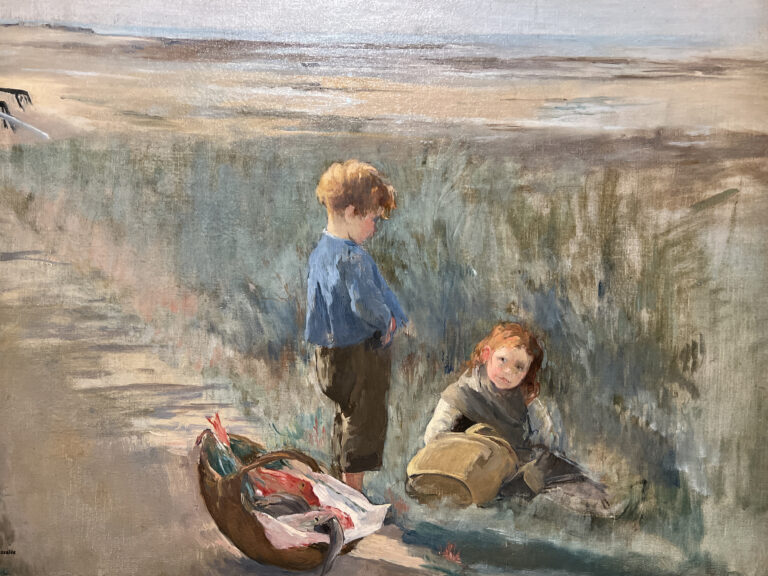
EVA GONZALÈS AT THE PETIT PALAIS She was Manet's only student, and that's about all that's been remembered about her. The Petit Palais is giving her her first major retrospective, nearly 140 years after her death. Paintings, drawings, prints, and archival materials trace the work of a student who never imitated her master and maintained her own artistic vision, even in subjects she was advised against.
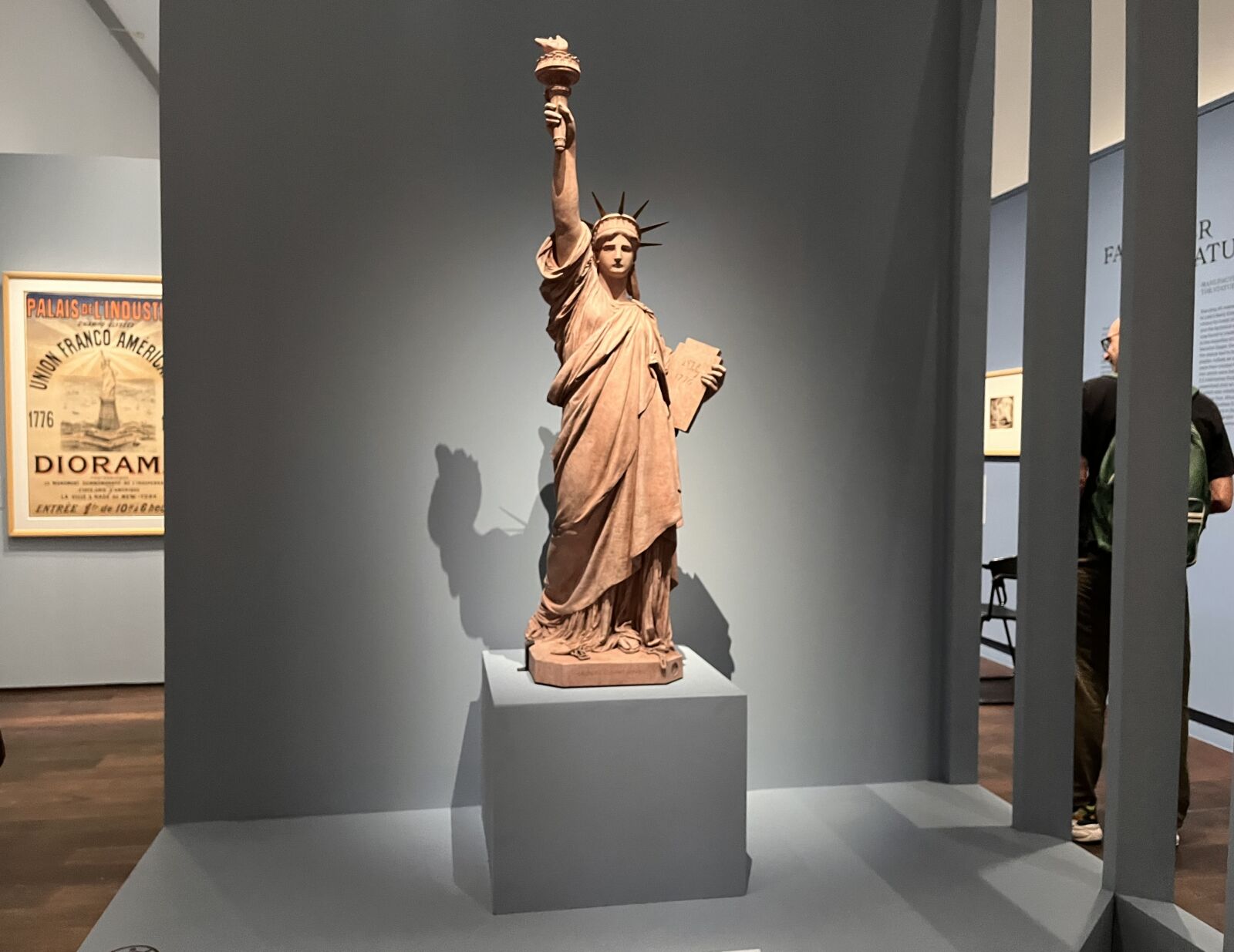
AUGUSTE BARTHOLDI AT THE MUSÉE D'ORSAY It took an obsessive Alsatian, an iron engineer, and three hundred copper plates hammered by hand on rue de Chazelles to bring Lady Liberty into the world's imagination. The Musée d'Orsay is dedicating a season to Bartholdi to mark the 140th anniversary of the New York inauguration, and reminds us that the American icon was first a Parisian project.
ARTISTS AT THE MUSEUM, GRAND GALLERY OF EVOLUTION The Menagerie at the Jardin des Plantes opened in 1794, and young artists came to draw animals they had seen nowhere else. Some will be named Rodin, Matisse, or Marie Laurencin. The Great Gallery of Evolution traces this lineage and presents the museum as a workshop, from a time when the paintbrush performed the work that the microscope had not yet undertaken.
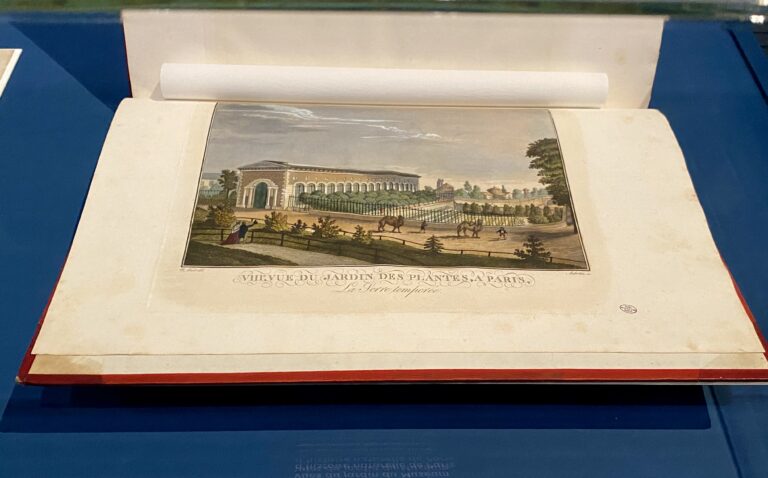
NATIONAL MUSEUM OF NATURAL HISTORY
From September 23, 2026 to March 7, 2027
PRIMORDIAL WATER, LESSONS FROM MESOPOTAMIA, AT THE LOUVRE
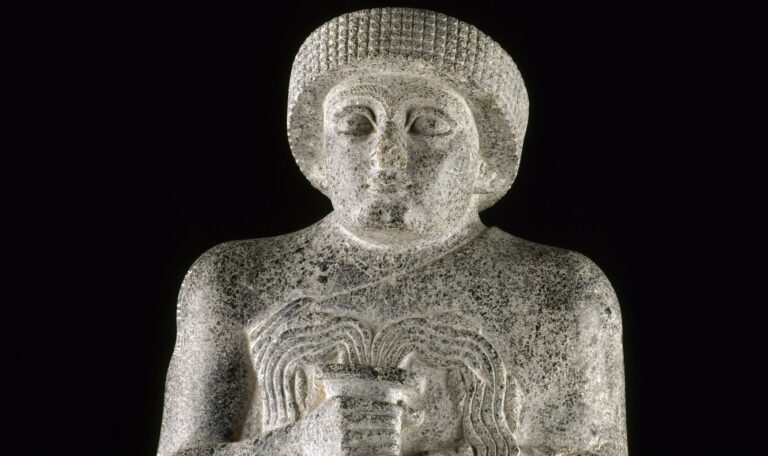
Before becoming a political issue, water was a divine matter. Between the Tigris and Euphrates rivers, humanity learned to tame it, irrigate it, share it, and fight for it. The Louvre brings together around a hundred Mesopotamian works centered on this invention, which also marks the beginning of the first cities and the first conflicts over a resource.
LOUVRE MUSEUM
Until March 15, 2027
TROMPE-L'ŒIL IN KOREA AT THE GUIMET MUSEUM
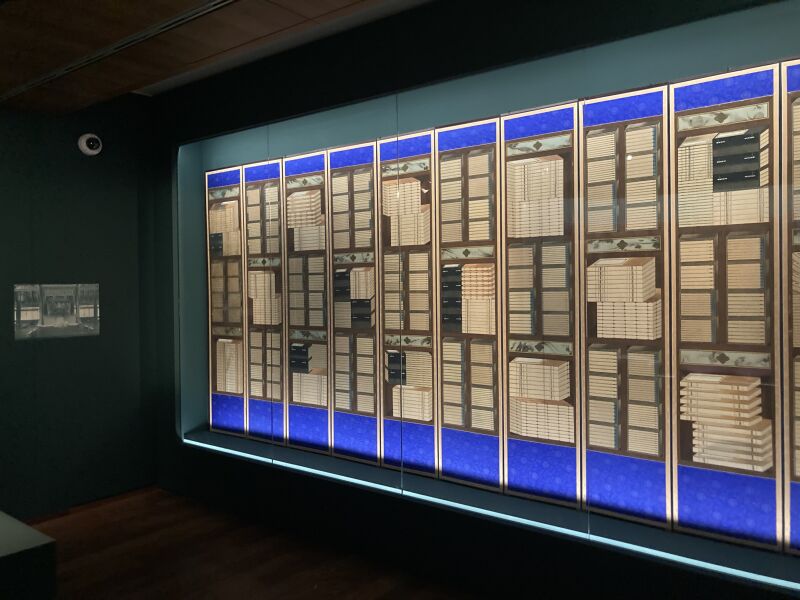
Books piled to the ceiling, scrolls, brushes, a vase, a pair of glasses: on these Korean screens, everything is painted and nothing exists. The chaekgeori, a trompe-l'œil library originating in the Joseon court, reflected the knowledge one possessed and, above all, the knowledge one wished to possess. The Guimet Museum showcases two centuries of this art, previously unknown in France.
NATIONAL MUSEUM OF ASIAN ARTS - GUIMET
Until January 4, 2027
AZZEDINE ALAÏA AND AFRICA
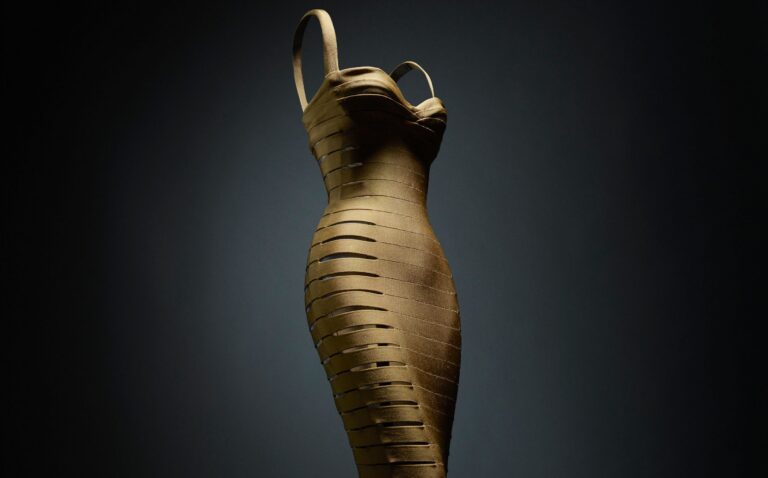
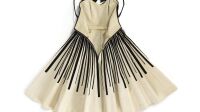
Dresses embroidered with seashells, cottons as white as the limewash of Maghreb houses, openwork silhouettes that let the light through like mashrabiya screens. The Azzedine Alaïa Foundation explores what the couturier took from Africa, not as a decorative motif but as a working material, a way of tailoring and allowing the fabric to breathe.
AZZEDINE ALAÏA FOUNDATION
Until January 4, 2027
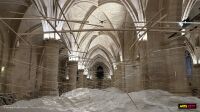
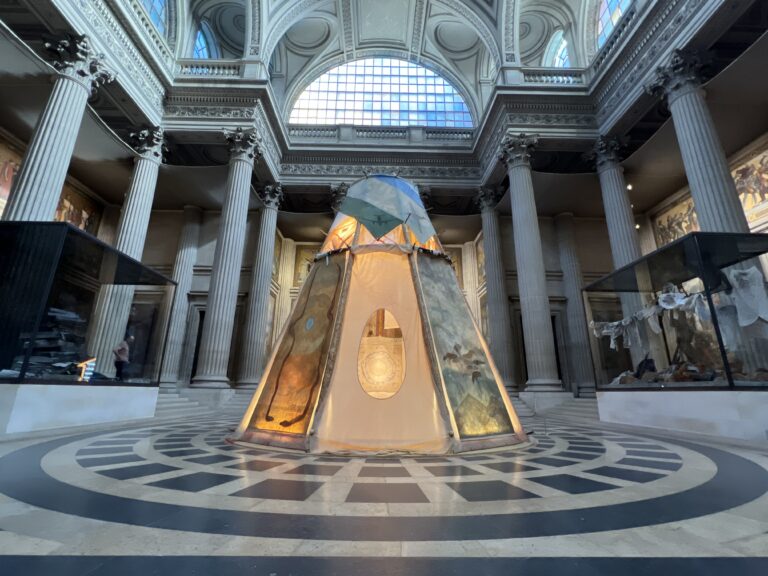
MINUSCLE LIVES AT THE PANTHEON The Pantheon is made for great men. The Centre Pompidou and the Centre des Monuments Nationaux have installed the opposite: lives without glory, those that Pierre Michon rescued from oblivion in his 1984 book. Under the dome, the anonymous receive the space, the scale, and the lighting that the monument reserved for statues.
LANDSCAPE STORIES AT THE MARMOTTAN MONET MUSEUM
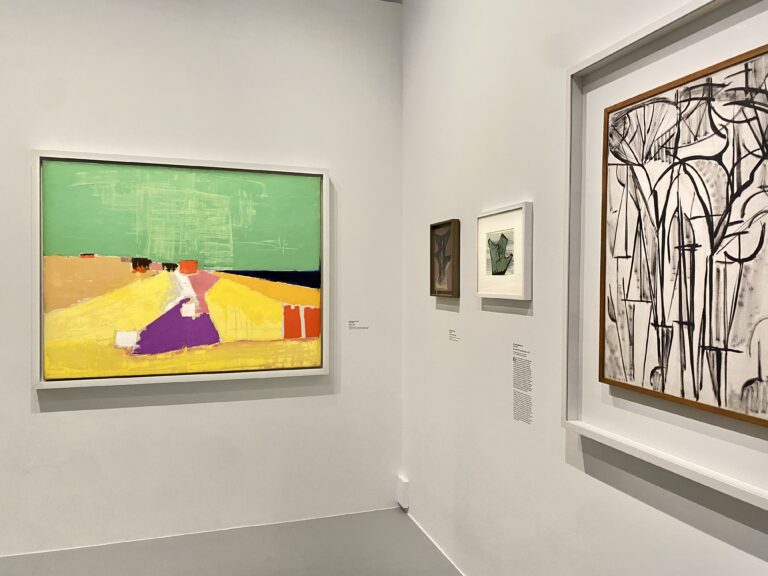
One hundred years after Monet's death, his museum could have focused solely on the Water Lilies. Instead, it chose to trace the landscape over more than a century, from 1890 to Hockney. What emerges is not a story of styles but a story of History: wars, industry, and climate are reflected in trees and skies before being captured in books.
MARMOTTAN MONET MUSEUM
From September 24, 2026 to January 31, 2027
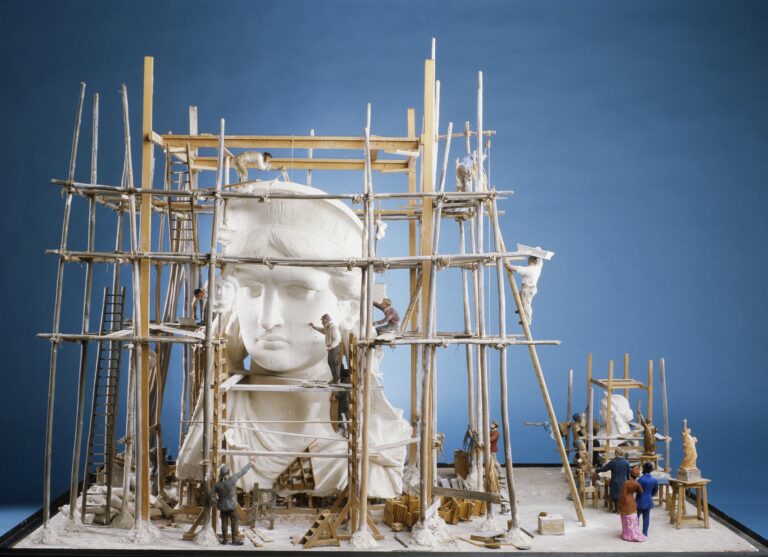
LADY LIBERTÉ AT THE MUSEUM OF ARTS AND CRAFTS Three hundred copper plates, a workshop on Rue de Chazelles, and a colossal sculpture that had to be assembled in Paris and then disassembled for shipping. The Museum of Arts and Crafts tackled the problem through engineering: tools, templates, load calculations, and an immersive scenography with headphones. This is the second part of the diptych that the museum and the Musée d'Orsay have created around Bartholdi.
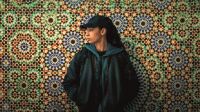
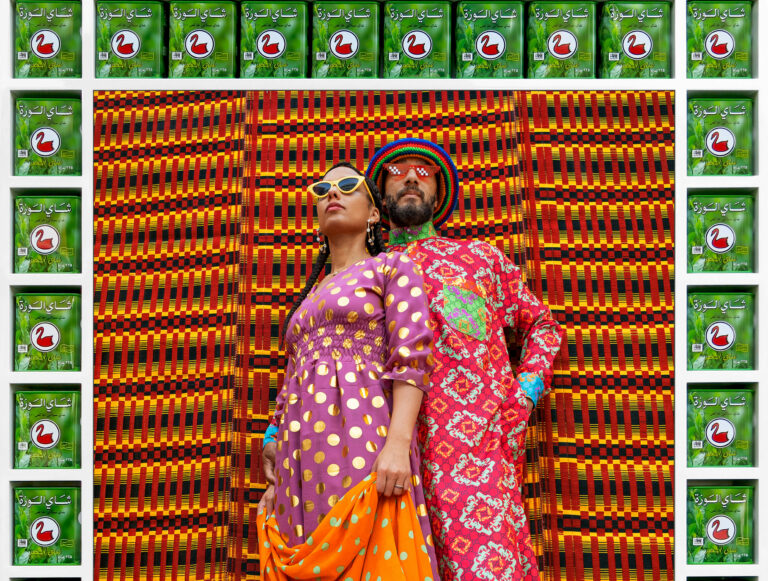
HASSAN HAJJAJ, MY ROCK STARS, AT THE MUSIC MUSEUM Tin can bottoms, Nike slippers, pop glasses, harsh light from Marrakech or London: Hassan Hajjaj photographs his rock stars as if setting up a makeshift studio, and the whole thing works. Rachid Taha nicknamed him Andy Wahloo. The Museum of Music is exhibiting it and providing the soundtrack, including Acid Arab.
MUSÉE DE LA MUSIQUE - PHILHARMONIE DE PARIS
From September 22, 2026 to April 25, 2027
MARY CASSATT, THE INDEPENDENT, AT THE MUSÉE D’ORSAY
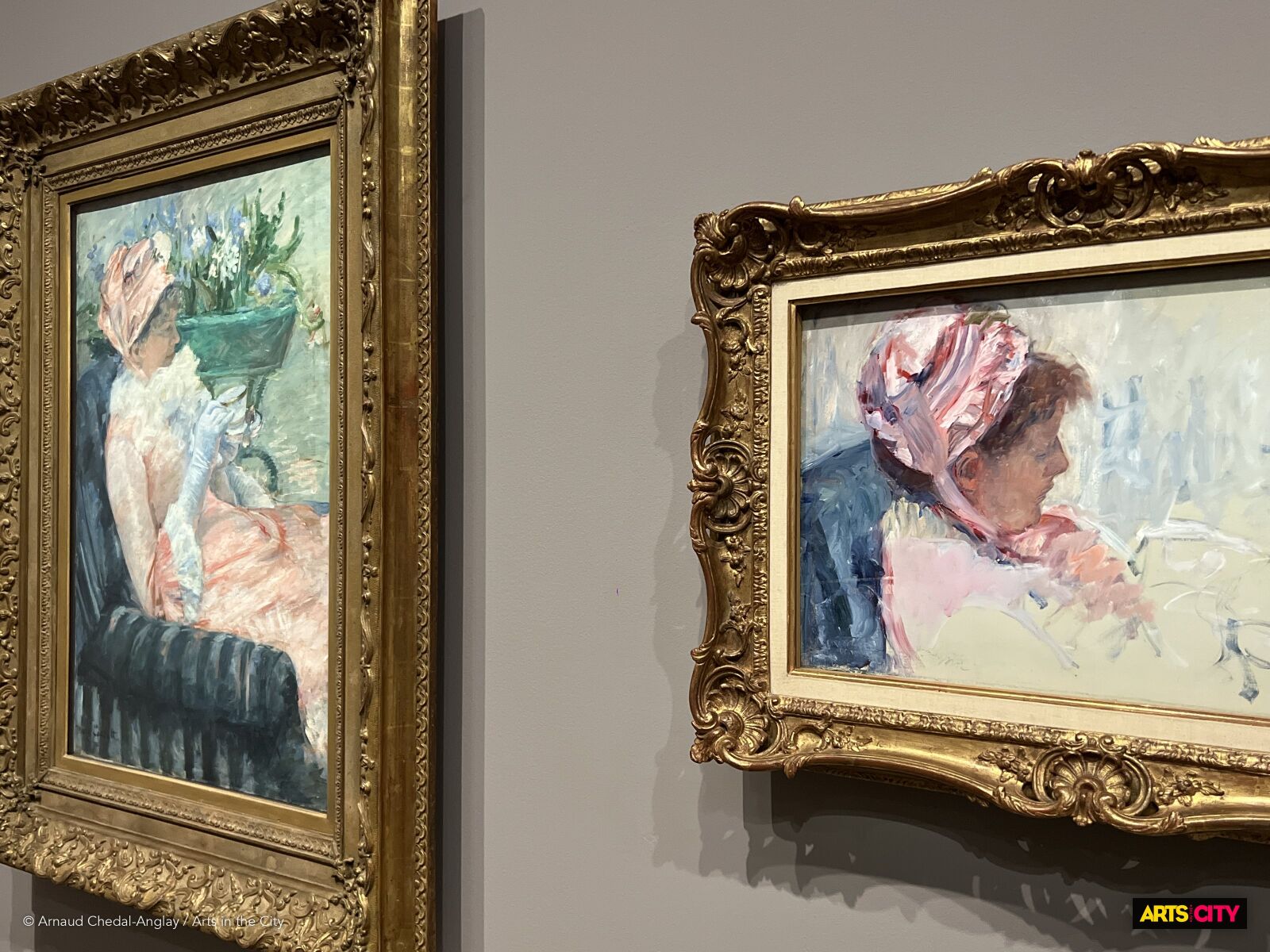
An American in Paris, Mary Cassatt exhibited with the Impressionists and kept her distance from their landscapes: she painted dressing rooms, children bathing, women reading, and busy hands. The Musée d'Orsay is offering him his first major French retrospective, which puts an end to the label of "painter of motherhood."
MUSÉE D’ORSAY
From October 6, 2026 to January 31, 2027
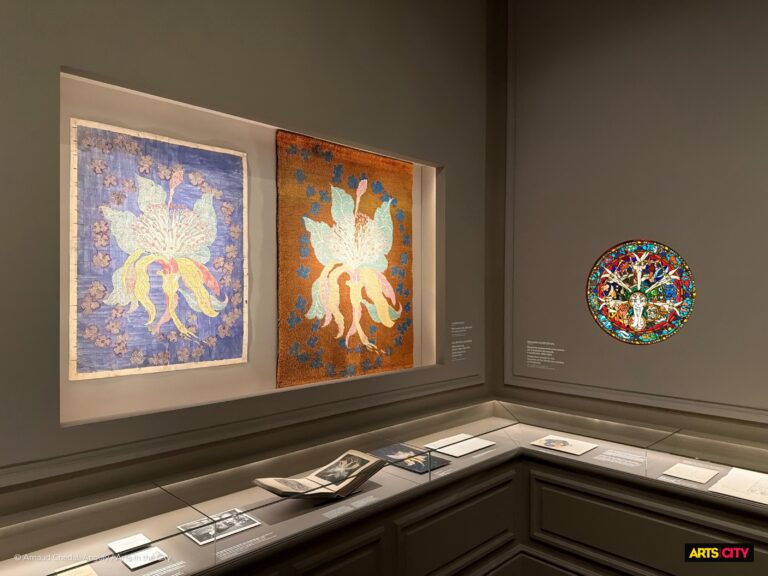
GUSTAVE FAYET, COLLECTOR-CREATOR, AT THE LOUIS VUITTON FOUNDATION An industrialist from Languedoc and a painter himself, Gustave Fayet assembled one of the most daring collections of his time at the beginning of the twentieth century, with Gauguin and Redon at its head, before dispersing it. The Foundation recreates it and shows how a private perspective can be ahead of museums.
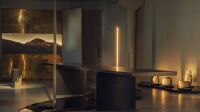
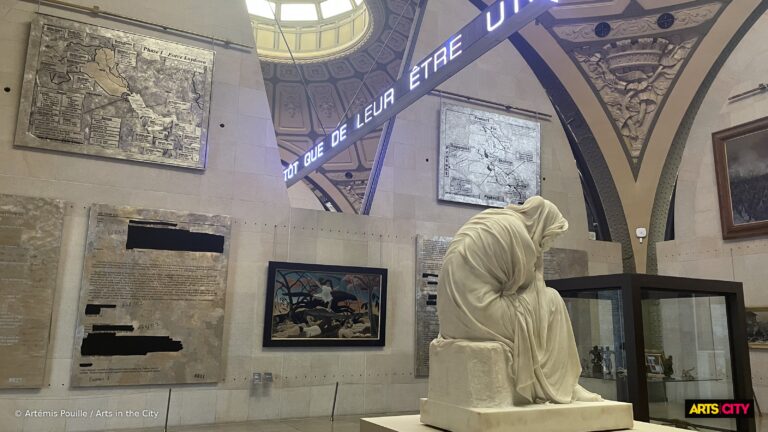
JENNY HOLZER, “I SAW,” AT THE MUSÉE D’ORSAY Illuminated strips display phrases in French above the marble sculptures and large-format nineteenth-century works. In front of The Romans of the Decadence, a red marble bench bears an engraved inscription; Beneath the glass roof, a wall of gilded and blacked-out paintings captures the eye. The American artist gives voice to the secrets of power.
MUSÉE D’ORSAY
From October 20, 2026 to February 21, 2027