

A new Museum of Music sets the rhythm of life at the Philharmonie de Paris
MUSIC MUSEUM
We saw it, we'll tell you about it!
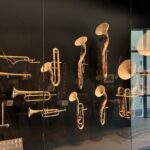
Music and Worlds: Immersion in the new layout of the Museum of Music
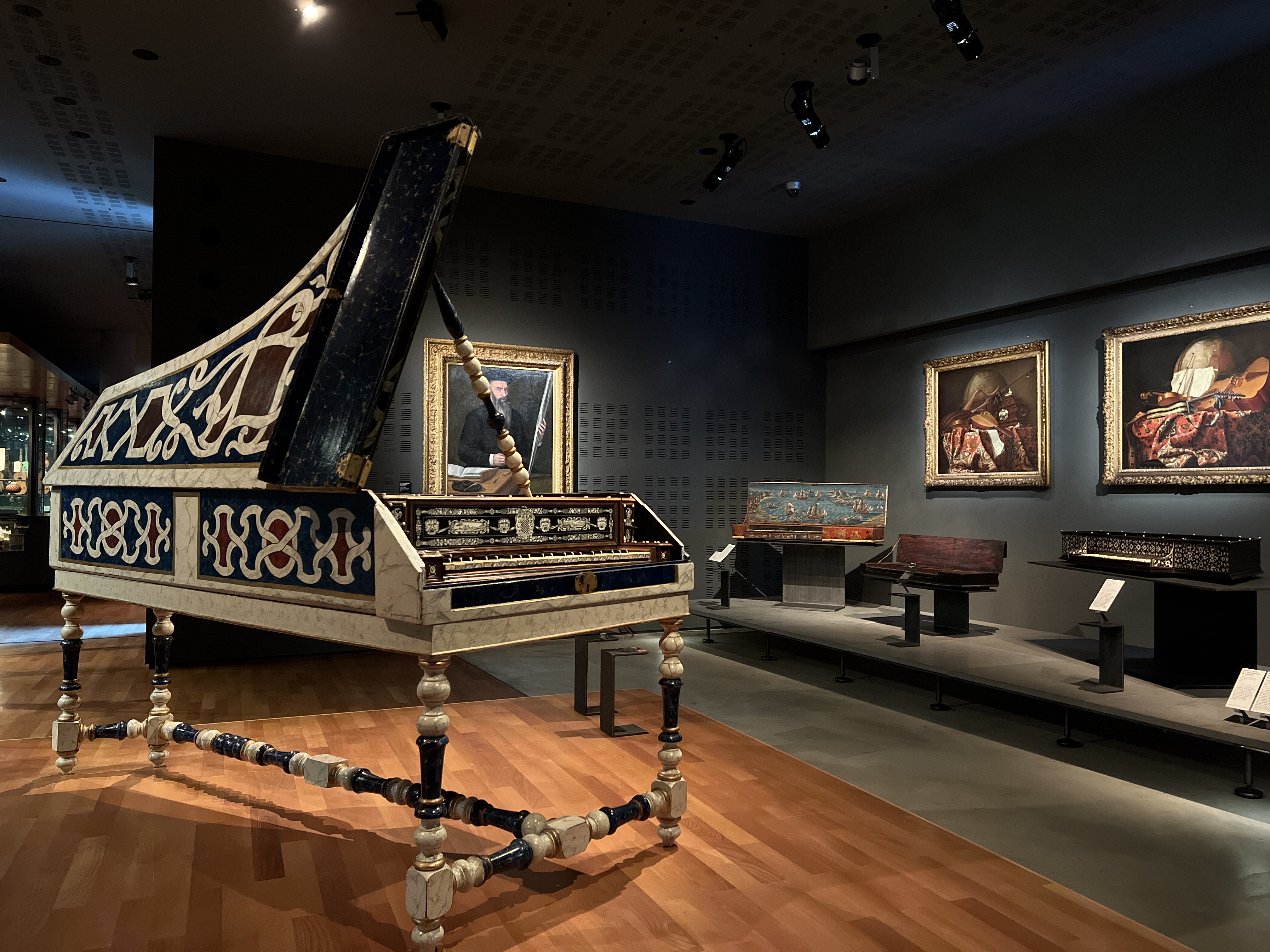
It's historic! For the first time in nearly 30 years, the Museum of Music is renewing its collections. By completely rethinking its layout, its narrative, and its scenography, this pantheon for music lovers is undergoing a true metamorphosis, breaking down the barriers between centuries, tearing down borders, to give life to a new story: a unique space where world music is no longer on the periphery of the exhibition but at the heart of the narrative. We visited it in advance, here's what we thought!
From the moment you enter, something has changed. The hushed silence of museums gives way to a vibration. It's not yet a sound—more of a tension, a call. Entering the new layout of the Museum of Music is like entering a world in suspension, a multifaceted, open, vibrant world.
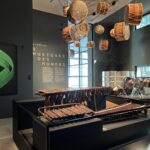
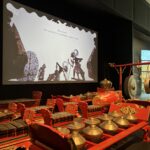
Here, the display cases no longer unfold a history of music in the past tense. They speak to us in the present. They question, connect, and sometimes disturb. The journey begins powerfully, with a space called Polyphony. Sixty instruments from the five continents are suspended in space, almost levitating. They are not grouped by era or region, but by affinities, by invisible echoes. A kora converses with a harpsichord. An Indonesian gamelan vibrates opposite a modular synthesizer. Nearby, an interactive application offers alternative paths: materials, gestures, breaths, suffering.
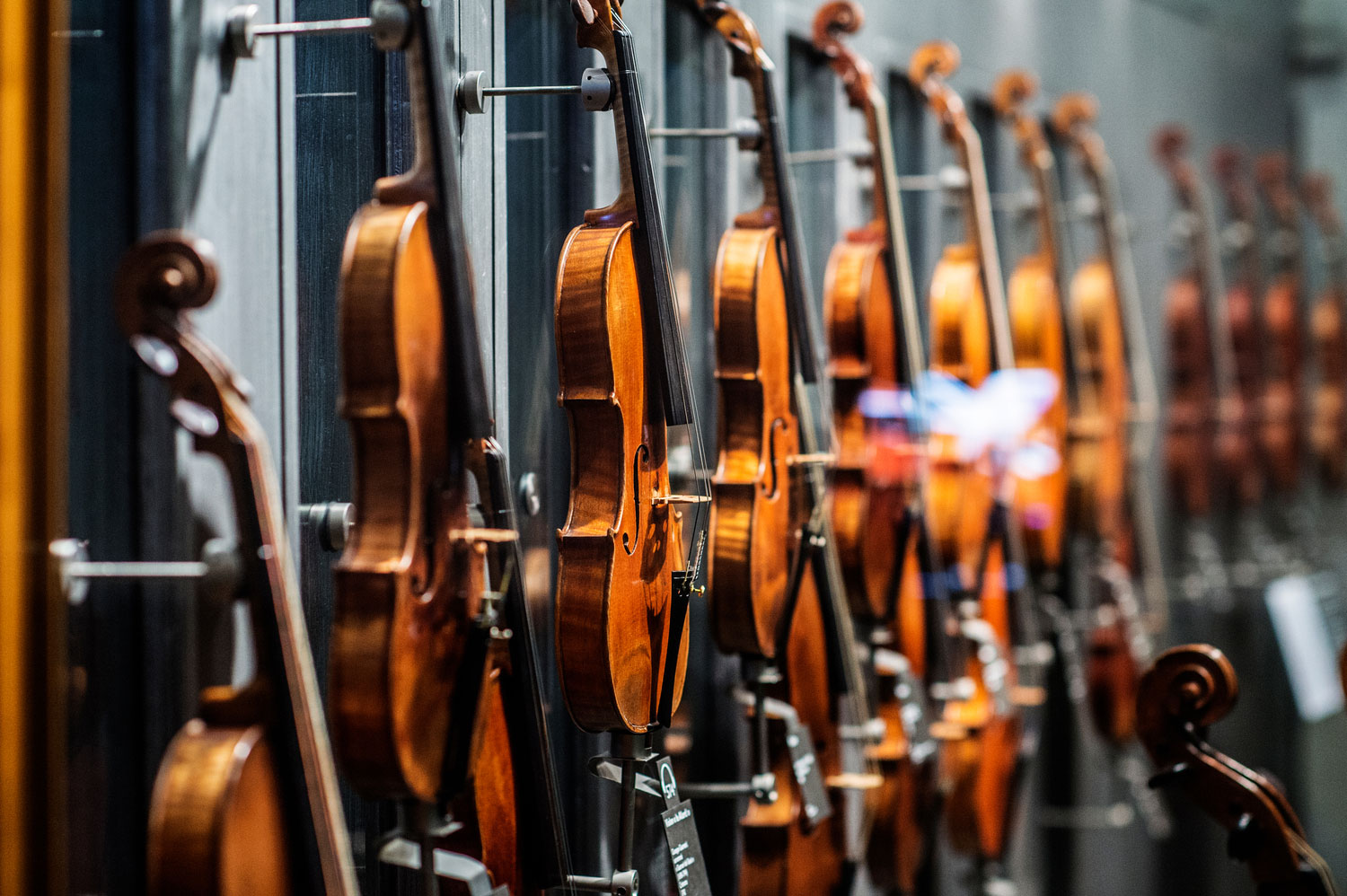
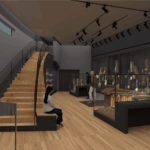
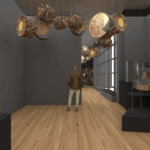
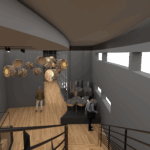
We must unlearn. To dismantle the idea that an instrument belongs to a country, or that music is confined to a specific territory. Here, everything circulates. The display cases were conceived as crossroads. Each instrument becomes the starting point of a narrative. The Arabic oud, through subtle shifts, evokes the European lute. The accordion takes root in the Chinese sheng. The church organ sits alongside flutes from Oceania. We quickly understand that the aim is not encyclopedic. It is political. Poetic, too.
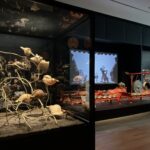
Further on, the space Of Musics and Worlds envelops us like an archipelago. The banjo sits alongside the steelpan, the Fulani flute blends with the rhythms of Sulawesi brass bands. All this within a scenography that is both understated and evocative. Warm lighting, display cases without hierarchy, sounds diffused in a halo. We don't read, we listen. We don't visit, we navigate.
The museum is not silent. It invites us to hear, to feel. Every day, musicians play the instruments — sometimes the originals. We stop, captivated by a Mandinka melody, a Neapolitan song, an electro beat played on a loop station. And then there is this intimate listening space, like a sonic cocoon. Video projections, field recordings, immersive documentaries: we hear the voices of the musicians as much as those of the researchers. Jazz, metal, experimental music, Kabyle singing or Gnawa trance, everything intersects, nothing is excluded.
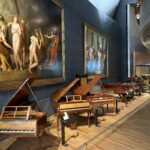
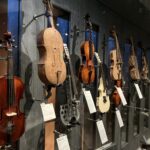
Throughout the journey, we encounter contemporary works . Here, a sculpture by Gaëlle Choisne subverts the conventions of the museum exhibition. There, an intervention by Sammy Baloji questions the colonial memory of the collections. The museum is opening itself to art, critical thinking, and contemporary creation. It is not afraid to question itself.
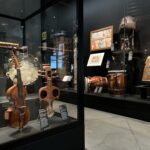
Nothing is left to chance. The entire exhibition has been designed with a rare attention to eco-responsibility. Modular scenography, bio-sourced materials, shared loans—everything has been designed to last, without being burdensome. Even the instruments are accompanied by a small insert explaining their provenance: where were they collected? In what context? With what story? Transparency is not an empty word here. It is a guiding principle.
One leaves this visit with the impression of having traversed a world in a thousand fragments. Not a lesson, not a catalogue. A journey. An invitation to rethink what it means to listen. To listen to others. To listen to other places. To listen to the world without reducing it to our own frameworks.
MUSIC MUSEUM, 75019
Sat. and Sun. 10am-6pm - Free admission
More information here